
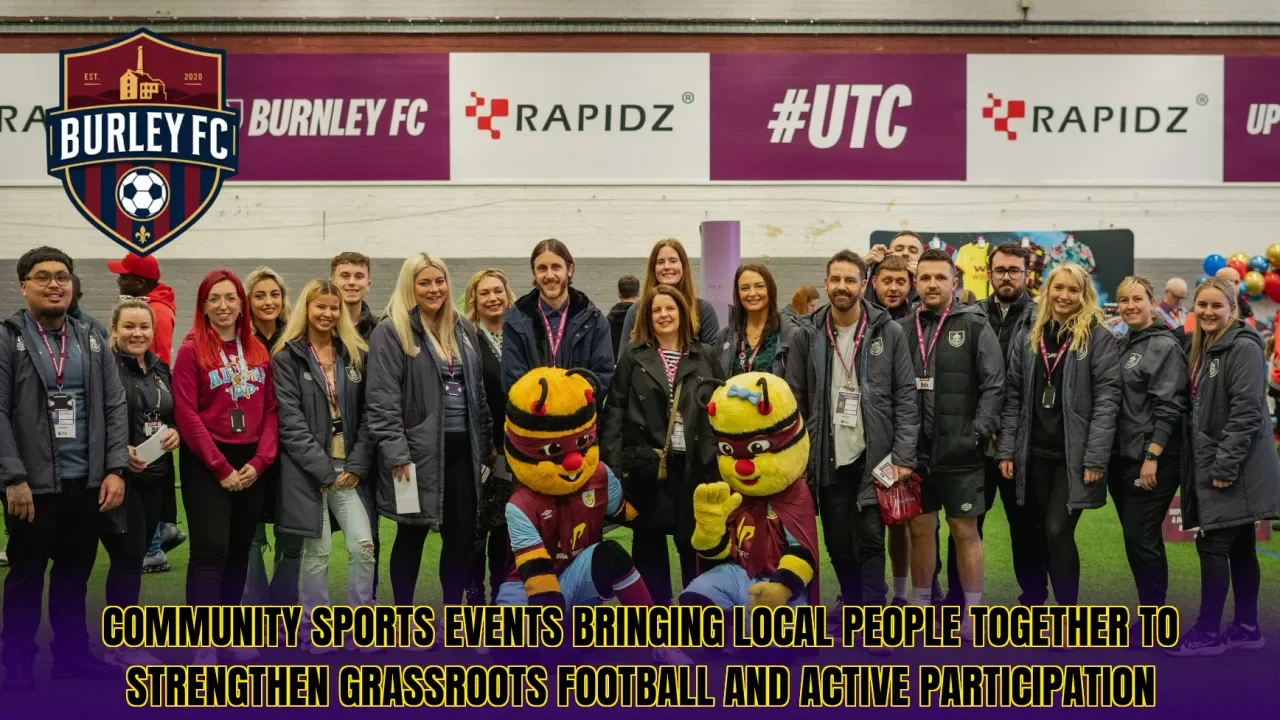
Community sports events sit at the heart of every thriving town, turning match days into shared memories that last for years. At Burley FC, we see how local fixtures, training camps and festivals can transform a simple game into a powerful social connector. This homepage introduces how our club supports members, volunteers and partners to build sustainable football projects. Explore how we help you plan, manage and grow your own grassroots success story.
How community sports events build a stronger local game
When clubs invest in community sports events, they create more than a fixture list. They open safe spaces where children learn discipline, adults stay active and neighbours meet around a shared passion. To make that impact last, organisers need clear structures, reliable communication and transparent governance. This is where digital tools, training resources and club-wide standards become essential for long‑term growth.
Creating inclusive access for every age group
Effective community sports events welcome players and supporters of all backgrounds, not just established athletes. That means flexible formats, from walking football for seniors to mixed‑ability sessions for new starters. Well‑designed registration processes help coaches understand medical needs and experience levels. With this data, organisers can group participants appropriately and reduce the risk of injury or exclusion. Inclusivity becomes a measurable outcome, not just a slogan.
Turning match days into social experiences
Match days at Burley FC show how a local fixture can become a full social occasion. Families arrive early for skills zones, food stalls and fan activities that run alongside the main game. These community sports events encourage people who do not usually play to still feel part of the action. Local businesses gain visibility, volunteers feel valued and the club deepens its roots in the neighbourhood.
Measuring impact beyond the final score
Modern clubs track the wider impact of their community sports events with the same care they give to performance analysis. Attendance figures, volunteer hours and feedback surveys reveal trends that guide future planning. Organisers can see which age groups are growing fastest, which time slots work best and where facilities need improvement. Over time, this data‑driven approach supports stronger funding bids and strategic partnerships.
Planning community sports events with professional standards

High‑quality community sports events depend on clear planning and risk management, even at grassroots level. Clubs must balance excitement with safety, budget with ambition and tradition with innovation. By using structured templates and shared best practice, organisers reduce avoidable mistakes and build trust with parents, sponsors and local authorities. The goal is a repeatable model that any new volunteer team can follow with confidence.
Key stages in successful event delivery
Every event journey begins with defining objectives, whether talent identification, fundraising or pure participation. Organisers then map tasks across scheduling, venue booking, safeguarding checks and communication plans. For Burley FC, digital calendars and task trackers keep everyone aligned from first idea to final whistle. After the event, a short debrief captures lessons, so each season’s community sports events run smoother than the last.
Risk management and safeguarding essentials
Parents and guardians expect clear safeguarding standards at all community sports events. That includes vetted coaches, first‑aid availability and age‑appropriate pitch layouts. Simple tools such as incident logs and emergency contact lists help organisers respond quickly if problems arise. When procedures are visible and consistent, families feel comfortable returning, and the club’s reputation strengthens with every fixture.
Using data to allocate resources wisely
Smart planning allows clubs to match limited resources with the highest‑value outcomes. Burley FC recommends tracking cost per participant, volunteer capacity and pitch utilisation across different community sports events. This information highlights which formats deliver the greatest benefit for the time and money invested. Leaders can then justify equipment upgrades, coach education or facility expansion with clear evidence.
| Event type | Typical participants | Main objective | Key success metric |
|---|---|---|---|
| Junior skills festival | U8–U12 players, families | Player development | Retention into next season |
| Open community tournament | Mixed ages, social teams | Engagement & inclusion | New registrations generated |
| Charity match day | Club members, sponsors | Fundraising | Total donations collected |
| Coach education clinic | Volunteer coaches | Quality of delivery | Coaches certified or upskilled |
Digital tools that elevate community sports events operations

Clubs that embrace digital platforms run more efficient community sports events and communicate more clearly with members. Online systems reduce paperwork, minimise errors and free volunteers to focus on the pitch. At the same time, centralised data offers a single source of truth for squads, fixtures and finances. This professional approach helps even small clubs operate with the discipline of elite organisations.
Online registration and membership management
Digital registration portals allow participants to sign up for community sports events in minutes, from any device. Medical information, consent forms and payment records are stored securely in one place. For Burley FC, this streamlines team selection and reduces late‑night admin for coaches. Automated reminders keep members informed about kick‑off times, venue changes and weather‑related updates.
Scheduling, communication and volunteer coordination
Shared calendars and messaging tools are now essential to coordinate busy community sports events schedules. Volunteers can see where help is needed, from stewarding to café duty, and claim shifts quickly. Central communication reduces confusion caused by last‑minute changes or conflicting information. Over a season, this clarity protects relationships with parents, match officials and partner clubs.
Insight dashboards for club leaders
Modern club management platforms give leaders real‑time insight into how their community sports events are performing. Dashboards can display registrations, attendance trends and financial summaries at a glance. With this information, committees at Burley FC can make faster, evidence‑based decisions on pricing, capacity and sponsorship packages. Transparent reporting also reassures stakeholders that funds are used responsibly.
Conclusion
Well‑run community sports events leave a legacy that reaches far beyond one season’s fixture list. They develop confident young players, healthier adults and a stronger sense of local identity. By combining sound governance, digital tools and a clear focus on inclusion, clubs can keep delivering these benefits year after year. Burley FC exists to support that journey, helping leaders design, manage and grow programmes that keep the community at the centre of the game.