

Walking football uk is transforming how adults stay active, social, and connected through the beautiful game, and Burley FC is proud to be part of that movement. As a dedicated community club, we provide clear guidance, safe facilities, and practical tools to help players, volunteers, and organisers run sustainable walking football sessions. On this homepage, you will find everything you need to get started, grow a group, or integrate walking football into a wider club structure.
Why walking football uk is growing so fast
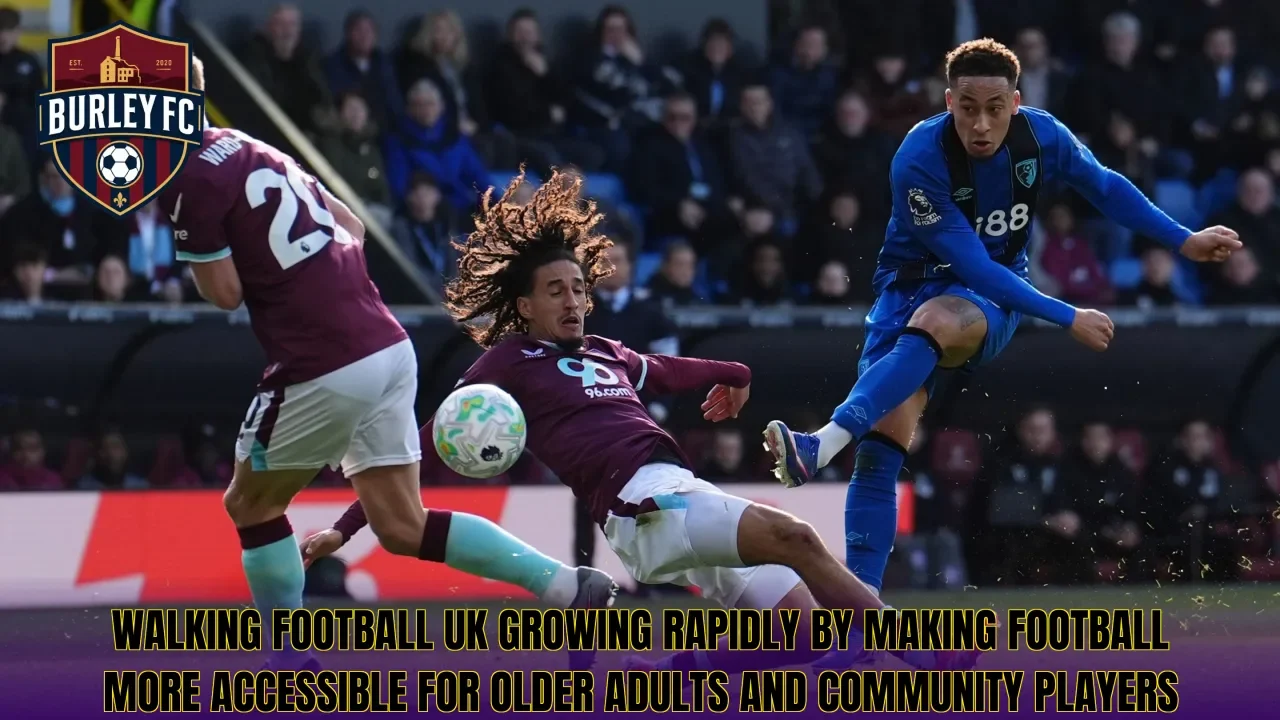
The rapid rise of walking football uk comes from a blend of health benefits, social connection, and simple rules that welcome almost everyone. Community clubs like Burley FC act as local anchors, offering structured programmes that meet national standards. Understanding the reasons behind this growth helps club leaders design sessions that are inclusive, safe, and long term.
Health and wellbeing benefits for all abilities
Research across the UK shows that walking football reduces blood pressure, improves balance, and supports healthy weight management for adults over 40. Many players return after years away from sport due to injury, work, or family commitments. With walking football uk, they can enjoy competitive activity without excessive strain on joints. Regular sessions also support mental health by lowering stress and building routine.
Inclusive football for older adults and returners
One of the strengths of walking football uk is the focus on inclusion rather than elite performance. Age brackets, flexible fitness levels, and mixed-ability formats allow people to join at their own pace. Burley FC encourages new players to start slowly, learn the rules, and build confidence. This approach helps clubs attract former players, complete beginners, and those referred by health professionals.
Community impact and social connection
Beyond the pitch, walking football uk sessions create strong social networks. Players often stay after games for tea, conversation, and informal peer support. Many clubs report reduced loneliness among older members and better engagement with local services. By hosting sessions at accessible venues, Burley FC strengthens links between generations, families, and support organisations across the area.
How walking football uk works at club level
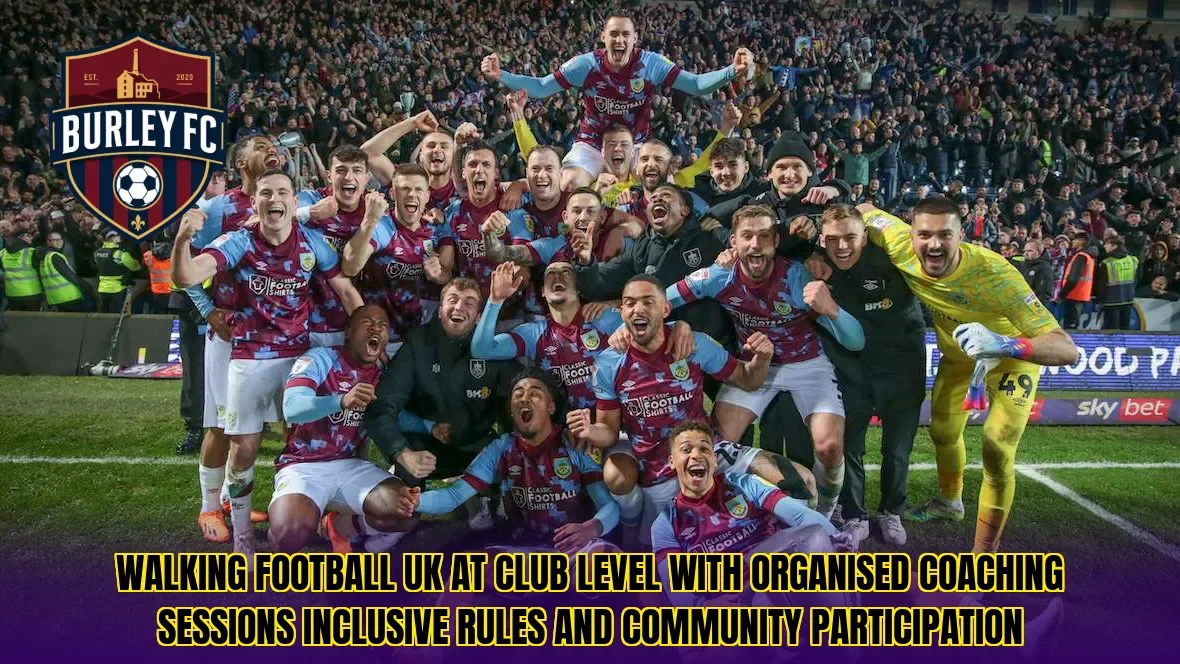
To run sustainable programmes, clubs need clear structures, trained leaders, and good communication. At Burley FC, we focus on governance, safeguarding, and practical planning so organisers can deliver reliable sessions. Understanding the typical format of walking football uk helps committees design timetables, budgets, and volunteer roles that fit their community.
Key rules and safe playing guidelines
Standard formats for walking football uk use small-sided games, no slide tackles, and strict no-running rules. This reduces impact while keeping matches competitive and enjoyable. Organisers should brief players before each session and appoint a referee or facilitator who understands the adapted laws. Consistent enforcement of these rules protects players and reassures families and health practitioners.
Session structure, equipment and facilities
A typical session includes a warm-up, short skills activities, and several small games with regular breaks. Clubs usually need bibs, size 4 or 5 balls, flat markers, and first-aid equipment. Indoor sports halls or 3G pitches are ideal for walking football uk, particularly during winter. Burley FC supports members with facility planning, risk assessments, and template schedules that can be adapted to local needs.
Roles for coaches, volunteers and coordinators
Successful programmes rely on clear roles rather than large budgets. A coordinator manages bookings and communication, while coaches or leaders guide activities and monitor safety. Many walking football uk groups also appoint a welfare officer to handle safeguarding and inclusion. Through our club hub, Burley FC shares role descriptions, training links, and checklists to help volunteers feel confident from day one.
Planning and managing a walking football uk programme

Strong planning helps clubs grow from a single trial session into a stable community offer. By tracking attendance, costs, and feedback, organisers can adjust formats and pricing. Below is an example of how a small community club might structure a weekly walking football uk programme over a season.
| Planning area | Recommended standard | Typical club example |
|---|---|---|
| Session length | 60–75 minutes including warm-up | 15 min warm-up, 45 min games, 10 min cool-down |
| Group size | 10–20 players per pitch | Two teams of 7 with rolling subs |
| Cost model | Low, transparent fees | £4 per player, block bookings discounted |
| Staffing | 1 leader per 12–14 players | Lead coach plus one volunteer helper |
| Monitoring | Attendance and incident logs | Simple register and online report form |
Funding, fees and sustainability
Financial planning is essential for any walking football uk project. Clubs often combine pay-per-session fees with small grants from local councils, health bodies, or sport foundations. Transparent pricing builds trust and encourages regular attendance. Burley FC provides example budgets, funding links, and sponsorship ideas to help groups cover pitch hire, equipment, and insurance without placing pressure on volunteers.
Marketing, outreach and member recruitment
Reaching the right audience is as important as running good sessions. Effective promotion for walking football uk includes GP referrals, social media, local newspapers, and posters at community venues. Stories about health improvements or friendships often attract new players more than statistics alone. Our club platform helps organisers share fixtures, news, and registration forms in one accessible place.
Digital tools and data for club management
Modern community clubs increasingly use digital systems to manage registrations, payments, and communication. For walking football uk, simple online forms and automated reminders reduce admin and no-shows. Burley FC encourages the use of secure databases to track participation, collect feedback, and evidence impact for funders. This data-driven approach supports long-term planning and continuous improvement.
Conclusion
Whether you are a player, volunteer, or club official, you can use our resources to begin or expand walking football uk activity in your area. We offer guidance on governance, safeguarding, facility partnerships, and community engagement tailored to grassroots clubs. By connecting with Burley FC, you join a wider network committed to inclusive, sustainable football for life. Explore our tools, contact our support team, and take the next step with walking football uk today through the Burley FC community hub.