

Local sports grants are the backbone of sustainable grassroots football, and Burley FC is committed to helping clubs and communities unlock every available opportunity. As a dedicated online hub for club management resources, Burley FC connects volunteers, coaches, and committee members with practical funding tools. On this homepage, you will find clear guidance, up-to-date insights, and structured support to make every application stronger and more successful.
Understanding local sports grants for modern community clubs
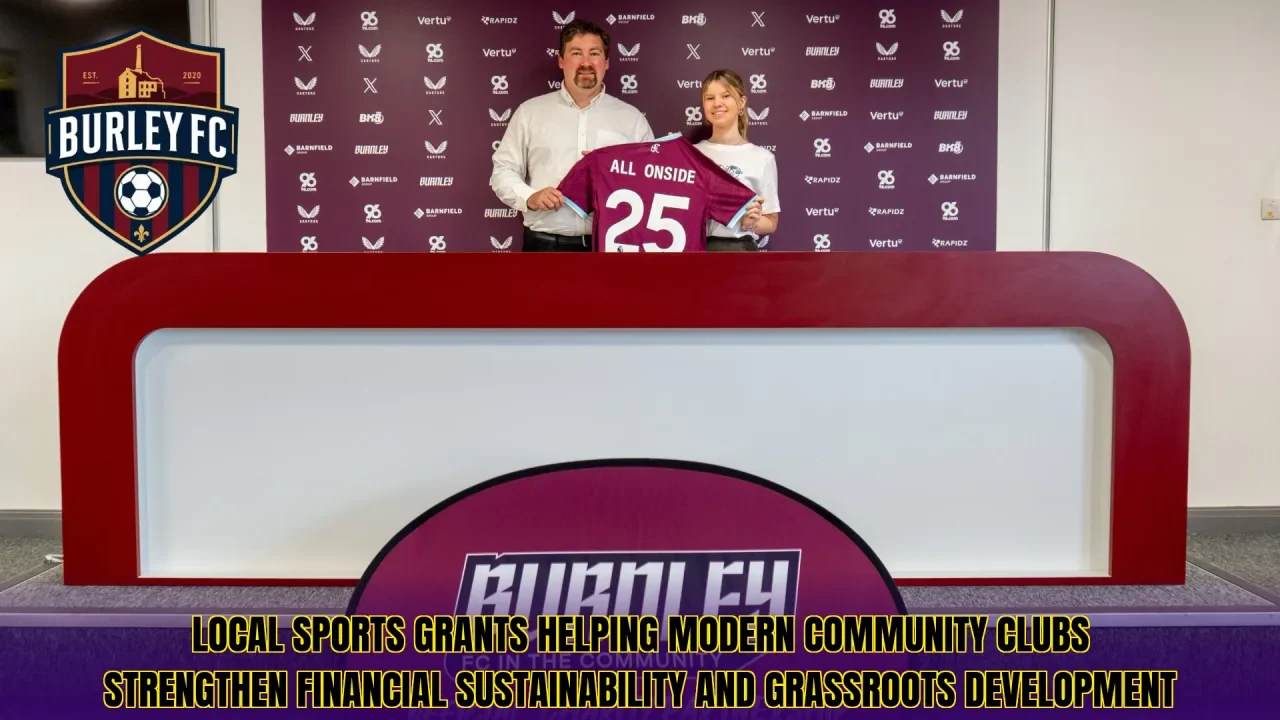
Securing local sports grants is now essential for any club that wants to grow participation and improve facilities without overloading members with rising fees. Funding bodies increasingly expect clubs to show strong governance, clear impact, and inclusive programmes. Burley FC helps committees understand these expectations and translate them into robust plans. This section explains what funders look for and how community football can meet those standards.
What funders mean by community impact
Most providers of local sports grants prioritise projects that deliver measurable benefits beyond match results. They want to see evidence of improved health, social connection, and opportunities for under-represented groups. Strong applications describe who will benefit, how many people will be reached, and what will change in their daily lives. Clubs that collect simple participation data and feedback throughout the season are better placed to prove long-term impact.
Types of grants available to grassroots football
Community clubs can access capital funding for pitches and buildings, as well as revenue grants for coaching, equipment, and programmes. Many local sports grants now target specific themes such as women’s football, disability inclusion, or youth leadership. Others support digital transformation, safeguarding improvements, or climate-friendly upgrades like LED floodlights. Burley FC tracks these evolving priorities so club leaders can align project ideas with the most suitable funding streams.
Key eligibility criteria you must prepare for
Before applying, clubs must confirm they meet the baseline conditions set by each funder. Common requirements include a clear constitution, a dedicated club bank account, and up-to-date safeguarding and welfare policies. Providers of local sports grants also expect transparent financial records and a committee structure with defined roles. Preparing these documents in advance saves time and reduces the risk of last-minute problems that can derail strong proposals.
Planning successful projects with local sports grants
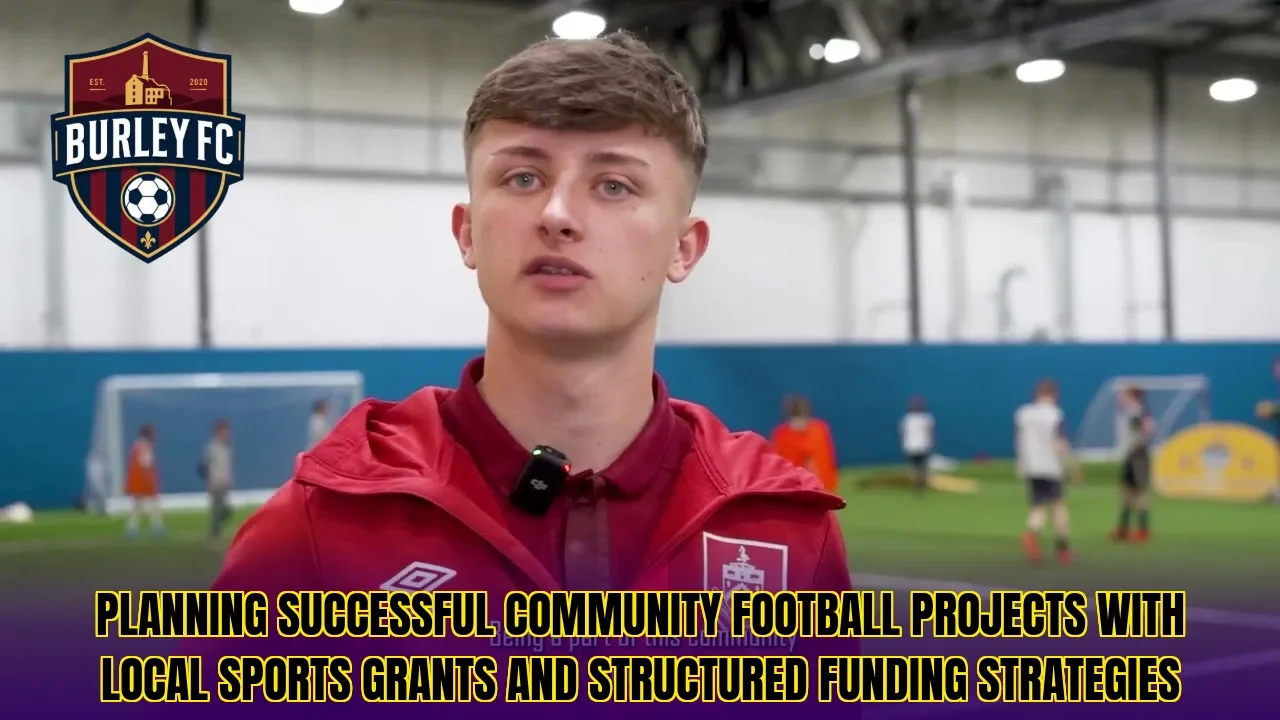
To compete for local sports grants, clubs need more than a good idea; they need a realistic, costed project plan. Funders want to see that you understand your community’s needs and have the capacity to deliver. Burley FC offers templates, checklists, and examples that help committees move from rough concepts to credible, fundable projects. The following sections break this process into manageable steps.
Assessing needs in your local community
Effective planning starts with understanding the people you serve and the barriers they face. Clubs should review participation data, speak with parents and players, and consult local schools or councils. When applying for local sports grants, you can use this evidence to justify why your project matters now. Short surveys, open meetings, and feedback from coaches all help demonstrate that your plan reflects real demand, not assumptions.
Setting clear outcomes and success measures
Funders want to know what change their money will create and how you will track it. Instead of vague ambitions, define specific outcomes such as increased weekly participation, improved retention of teenage players, or more female coaches. When you apply for local sports grants, explain how you will measure progress using attendance figures, satisfaction scores, or health indicators. Simple, realistic targets show that the club understands accountability.
Building a realistic project budget
A transparent budget is central to every strong application, regardless of the size of the local sports grants you seek. Break down costs for equipment, facility hire, coaching hours, marketing, and volunteer expenses. Include any match funding or in-kind contributions such as donated time or discounted services. Burley FC encourages clubs to avoid under-costing, which can lead to delivery problems, and instead present honest figures that reflect the true scale of the project.
| Budget item | Typical cost range (GBP) | Notes for grant applications |
|---|---|---|
| Coaching and session delivery | £25–£40 per hour | Include planning time, not just on-pitch hours |
| Equipment and kit | £500–£3,000 per season | Itemise balls, bibs, goals, first-aid, and storage |
| Facility hire and maintenance | £1,000–£10,000 per year | Show quotes or existing contracts where possible |
| Marketing and outreach | £200–£1,000 per project | Cover digital ads, printed flyers, and signage |
| Monitoring and evaluation | £150–£750 per project | Include survey tools, data analysis, and reporting |
How Burley FC supports clubs to access local sports grants
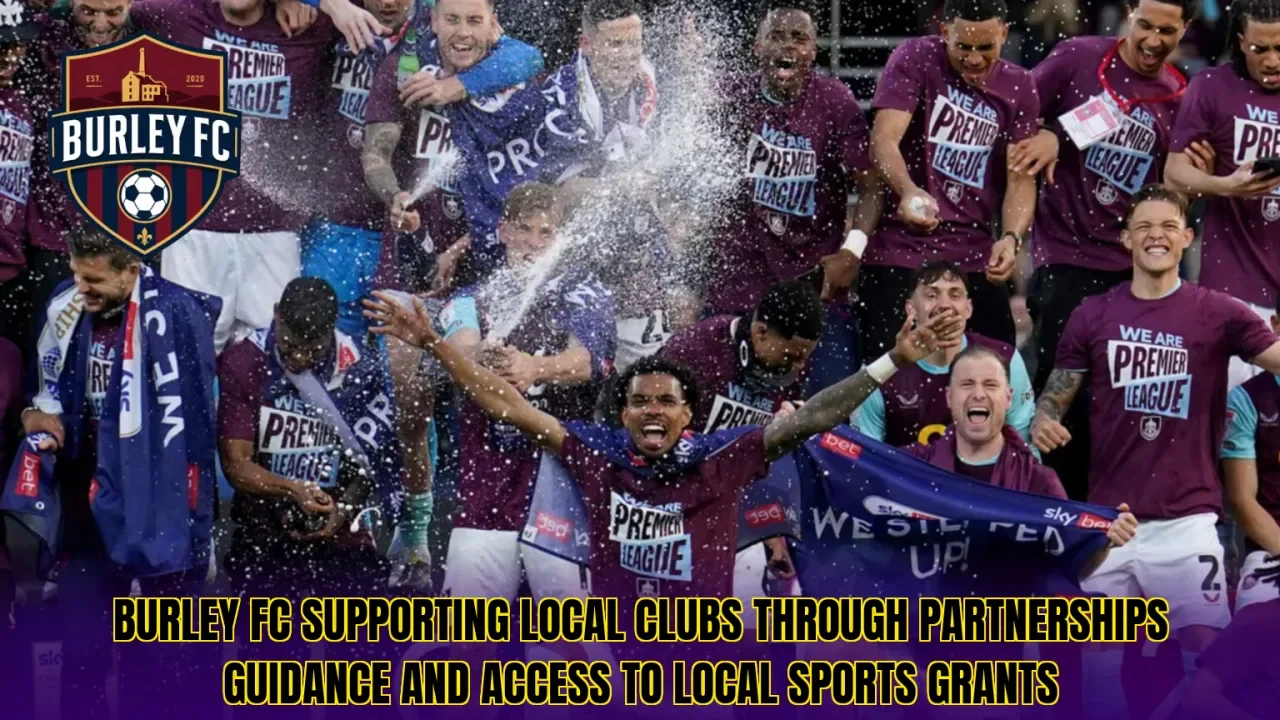
Clubs often struggle with time, expertise, and confidence when pursuing local sports grants. Burley FC exists to bridge that gap through structured guidance, shared resources, and a collaborative community of volunteers. By centralising best practice and real-world examples, the platform reduces duplication of effort across clubs. This section explains how the website helps you move from first idea to submitted application.
Centralised funding updates and alerts
Funding programmes change frequently, and deadlines can be tight. Burley FC maintains a curated calendar of local sports grants, including national schemes and smaller regional opportunities. Users can filter by project type, age group, or facility need to find the most relevant options. Regular alerts and summaries save committee members hours of research and reduce the risk of missing critical windows.
Templates, toolkits, and best-practice examples
Many volunteers are new to fundraising and unsure how to structure a compelling bid. Burley FC provides sample application answers, budget templates, and governance checklists tailored to local sports grants. Clubs can adapt these materials to reflect their own context while maintaining the level of detail funders expect. This library evolves continuously as successful projects share learning back into the community.
Peer learning and mentoring between clubs
Beyond static resources, Burley FC encourages clubs to learn directly from each other. Online forums and mentoring links connect experienced fundraisers with committees preparing their first local sports grants applications. This peer support helps demystify jargon, highlight common pitfalls, and build confidence. When clubs share both successes and failures, the entire grassroots ecosystem becomes more resilient.
Maximising long-term impact from local sports grants
Winning local sports grants is only the beginning; the real challenge is delivering sustainable change. Funders increasingly review how previous awards were used before backing new proposals. Burley FC guides clubs through monitoring, evaluation, and long-term planning so that each funded project strengthens the club’s reputation. The following areas help ensure that every pound invested produces lasting benefits.
Delivering projects on time and on budget
Once funding is secured, clear roles and timelines are essential. Clubs should assign project leads, agree milestones, and review progress at every committee meeting. Providers of local sports grants expect regular updates and responsible financial management. Simple tools such as shared calendars, budget trackers, and risk logs help volunteers coordinate activity without becoming overwhelmed.
Measuring outcomes and telling your story
Good monitoring goes beyond counting participants; it captures the human stories behind the numbers. Burley FC encourages clubs to combine attendance data with testimonials, case studies, and photos that illustrate change. When reporting on local sports grants, explain what worked, what did not, and how learning will shape future projects. Strong storytelling can strengthen relationships with funders and attract new partners.
Building sustainable programmes after funding ends
Short-term grants should act as a springboard, not a permanent subsidy. During the project, clubs can test new formats, gather evidence of demand, and refine delivery models. After local sports grants finish, successful activities might be sustained through modest membership fees, sponsorship, or local authority partnerships. Burley FC provides guidance on diversification of income so that promising initiatives do not disappear when initial funding closes.
Conclusion
By approaching local sports grants strategically, clubs can strengthen facilities, widen participation, and protect volunteers from burnout. Burley FC equips committees with the knowledge, tools, and peer support needed to compete for funding and deliver on their promises. As the funding landscape evolves, the platform will continue to update guidance so that community football remains accessible and resilient. With the right preparation and partnerships, every grant becomes an investment in long-term local wellbeing.