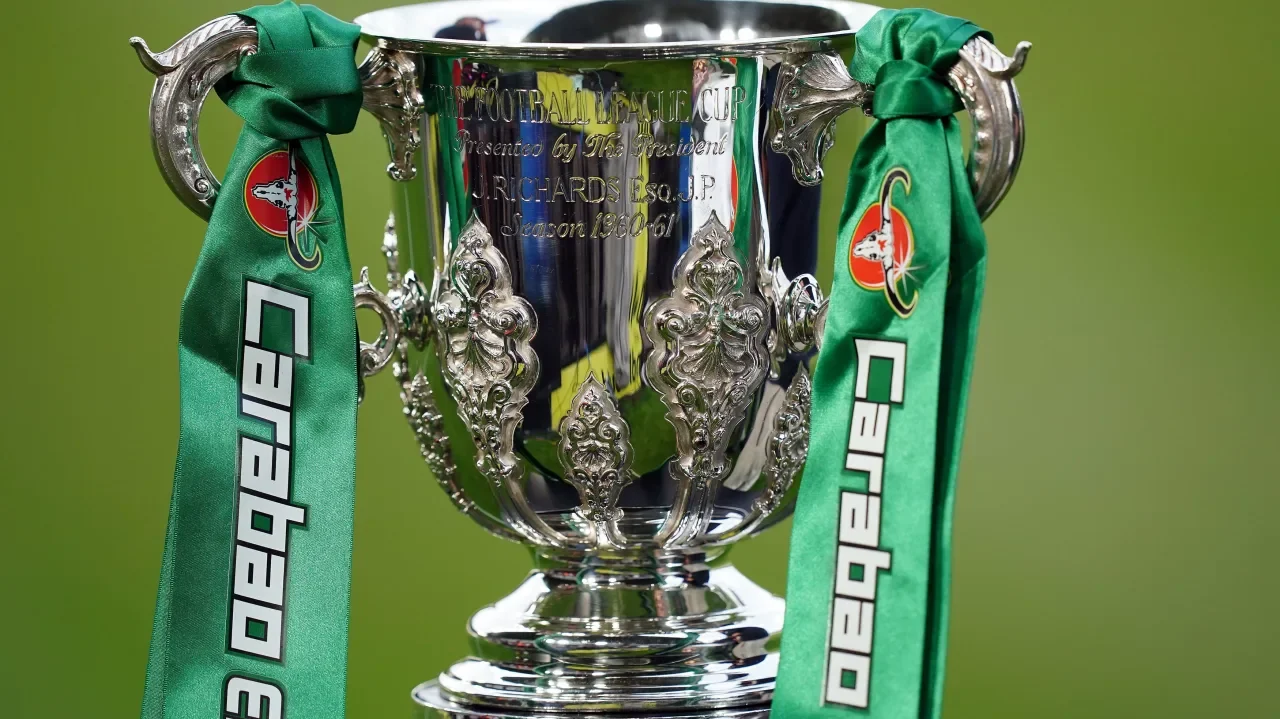
Cup draw results are more than a list of fixtures; they shape excitement, tactics, and expectations for every supporter of burley fc and rival clubs across the UK. When the balls are pulled from the bowl, entire seasons can tilt, with underdogs dreaming of giant-killings and favourites plotting their route to Wembley. Understanding how draws work, and what they mean in practice, helps fans read between the lines and anticipate storylines before a single ball is kicked.Let’s burleyfc find out together!
How cup draw results influence the road to glory

Every season, cup draw results become the invisible map that guides clubs through domestic and regional competitions. Before line‑ups or formations are announced, a draw can already signal whether a path looks favourable or brutal. Fans and analysts pay close attention because the structure of the bracket, home advantage, and seeding rules all combine to shape the likelihood of deep runs and surprise exits.
The basics of modern knockout competitions
In most UK cup competitions, cup draw results determine which clubs play each other, who gets home advantage, and how the bracket unfolds in later rounds. Early stages often feature regionalisation to reduce travel, while later rounds may be fully open, allowing any team to face any other. This structure creates a blend of predictability and chaos that keeps supporters glued to draw shows.
Seeding, regionalisation, and perceived fairness
Some tournaments use seeding, where higher‑ranked teams are kept apart in early cup draw results to prevent elite clashes too soon. While this can protect television value and ensure top clubs reach later stages, it can also spark debate about fairness. Supporters of lower‑league sides may feel the system stacks the deck, even as they chase the dream of a televised upset.
Why the draw show has become must‑watch content
Televised cup draw results have evolved into mini‑events, complete with ex‑players, pundits, and carefully staged suspense. Fans tune in not only to learn their club’s fate but also to read body language, listen to instant reactions, and gauge how the media frames each tie. The spectacle feeds social media conversations that can run for days.
Reading cup draw results for burley fc and rival clubs

For dedicated supporters, interpreting cup draw results is almost an art form, blending statistics, history, and intuition. Beyond the obvious question of whether an opponent is strong or weak, many subtle factors matter: travel distance, fixture congestion, playing style clashes, and even weather patterns at certain stadiums. Each small detail can tilt the balance in a one‑off tie.
Assessing difficulty: more than just league position
At first glance, cup draw results might seem easy to rank by league standing, but that can be misleading. Some mid‑table teams are cup specialists, rotating smartly in the league to attack knockout ties with full intensity. Others rely heavily on a few key players, making them vulnerable if injuries strike before the match is played.
Home advantage and travel implications
One of the first details supporters check in cup draw results is who plays at home. Familiar surroundings, pitch dimensions, and local crowd energy can significantly influence performance, especially in lower leagues where facilities vary widely. A tough away trip on a heavy pitch in winter can neutralise technical superiority and level the playing field.
Historical matchups and psychological weight
Cup draw results often revive old rivalries or echo famous upsets, adding psychological layers to otherwise routine ties. Clubs remember painful eliminations, controversial refereeing decisions, or last‑minute winners that still live in fan folklore. These memories can influence how both players and supporters approach a rematch years later.
Using cup draw results to plan tactics, tickets, and travel
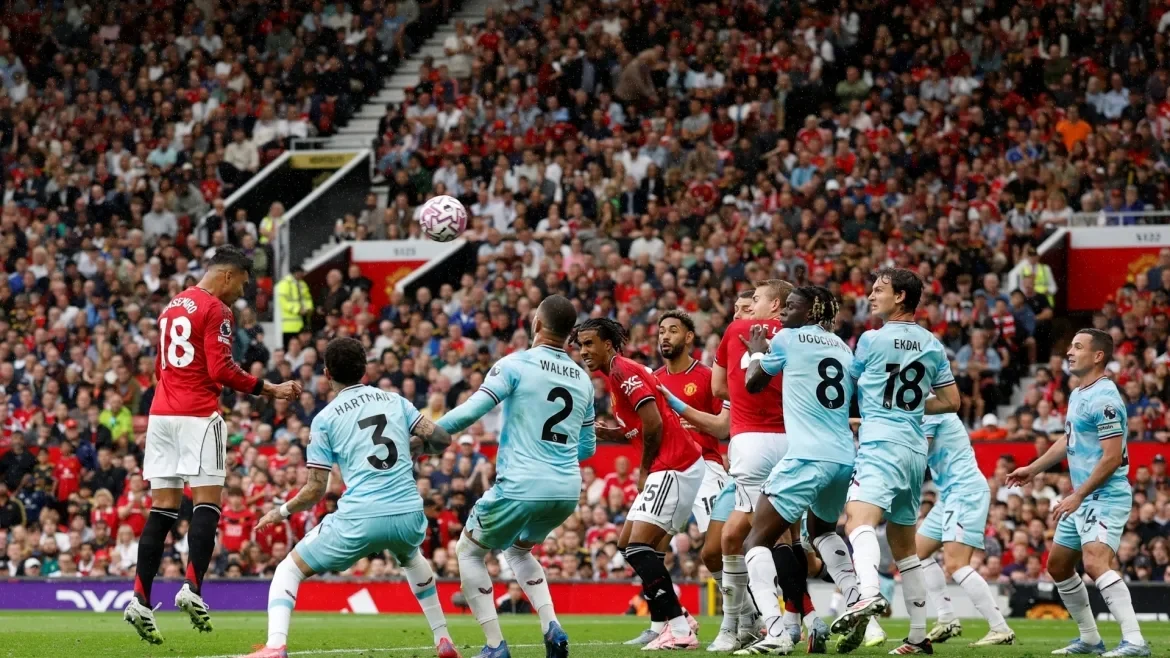
Once cup draw results are confirmed, clubs and supporters move from speculation to planning. Coaches dive into scouting, analysts build data profiles, and operations teams coordinate logistics. Meanwhile, fans check calendars, book transport, and debate whether a tie is worth a long midweek journey or an early morning start.
Tactical preparation and opponent analysis
Coaching staff treat cup draw results as the starting gun for detailed opponent analysis. Video scouts study recent matches to identify pressing triggers, set‑piece routines, and transitional patterns. Data analysts compile metrics on expected goals, chance creation zones, and defensive weaknesses that can be exploited with tailored game plans.
Fan logistics: tickets, allocations, and away‑day culture
From a supporter’s perspective, cup draw results trigger immediate questions about ticket availability and away allocations. High‑profile ties at compact grounds can sell out rapidly, requiring loyalty‑point systems or membership priority. Clubs must coordinate with hosts to confirm pricing, segregation, and safety arrangements before sales open.
Broadcast, revenue, and commercial impact
Television selections following cup draw results can significantly affect club finances, particularly for teams outside the top flight. A televised tie against a major club brings broadcast fees, increased merchandise sales, and broader exposure for sponsors. Even non‑televised glamour fixtures can boost hospitality revenue and matchday spending.
See more: club press release
Conclusion
Understanding cup draw results helps modern fans read the game’s deeper currents, from tactical planning to travel logistics and historical context, and it gives every supporter of burley fc a richer, more informed way to experience each knockout campaign as it unfolds.