
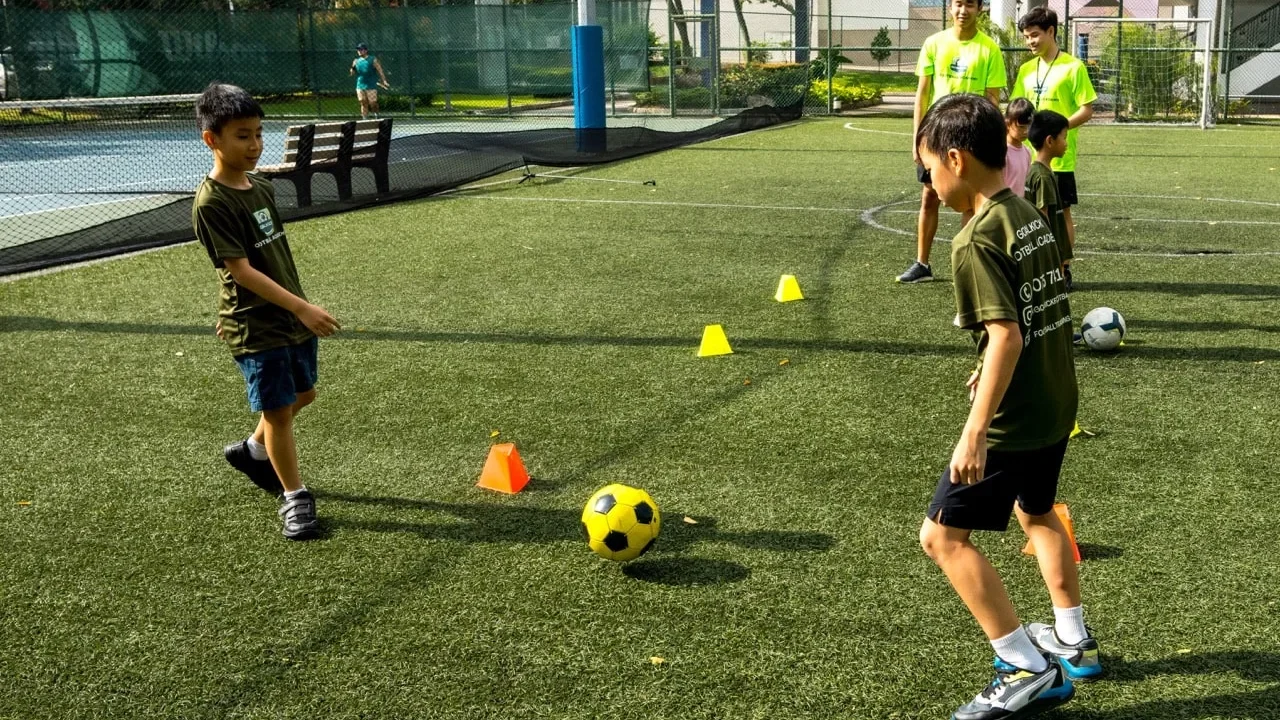
Toddler football classes at burley fc are fast becoming one of the most exciting ways for parents to introduce their little ones to sport in a safe, playful environment. Designed especially for ages two to four, these sessions blend football-themed games with early years learning so children develop physically, socially and emotionally. Instead of formal drills, the focus is on imagination, movement and smiles, giving toddlers a positive first taste of being active. For many families, these weekly classes quickly become the highlight of their routine.
Why toddler football classes are perfect for early development
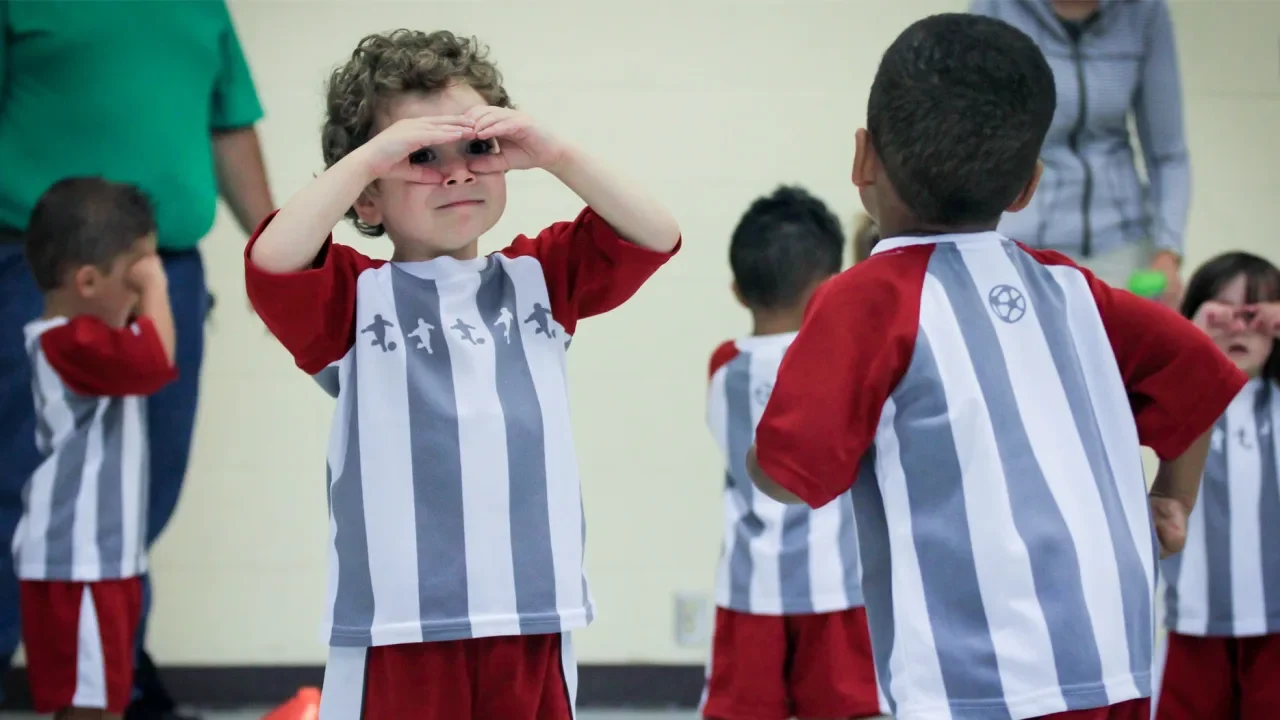
During the first years of life, children experience rapid growth in coordination, balance and social skills, making this a crucial window for positive experiences. Well-structured toddler football classes harness that natural energy and curiosity, turning it into playful learning through movement. Rather than pushing competition, coaches guide children with patience and encouragement so they can explore at their own pace.
Building physical foundations through movement
One of the main aims of toddler football classes is to build strong fundamental movement skills that support any future sport. Simple activities such as running to coloured cones, hopping between markers or kicking soft balls help toddlers develop balance, coordination and spatial awareness. Because everything is framed as a game, children rarely realise how much exercise they are getting, yet they leave the pitch happily tired.
Encouraging social and emotional growth
Beyond movement, toddler football classes also support vital social and emotional development. Toddlers learn to take turns, share equipment, listen to a coach’s voice and celebrate other children’s successes. These experiences are invaluable for youngsters who may not yet attend nursery or who are just starting to navigate group settings. The football theme gives them a shared focus, making interaction feel natural rather than forced.
Creating positive attitudes to sport for life
First impressions matter, and toddler football classes are often a child’s earliest structured encounter with sport. By keeping sessions playful, colourful and pressure-free, coaches help toddlers associate being active with joy rather than anxiety. Songs, stories and themed adventures keep them engaged, while the presence of supportive adults reinforces a sense of safety. These positive emotions can shape how children feel about physical activity for years to come.
How toddler football classes at burley fc are structured
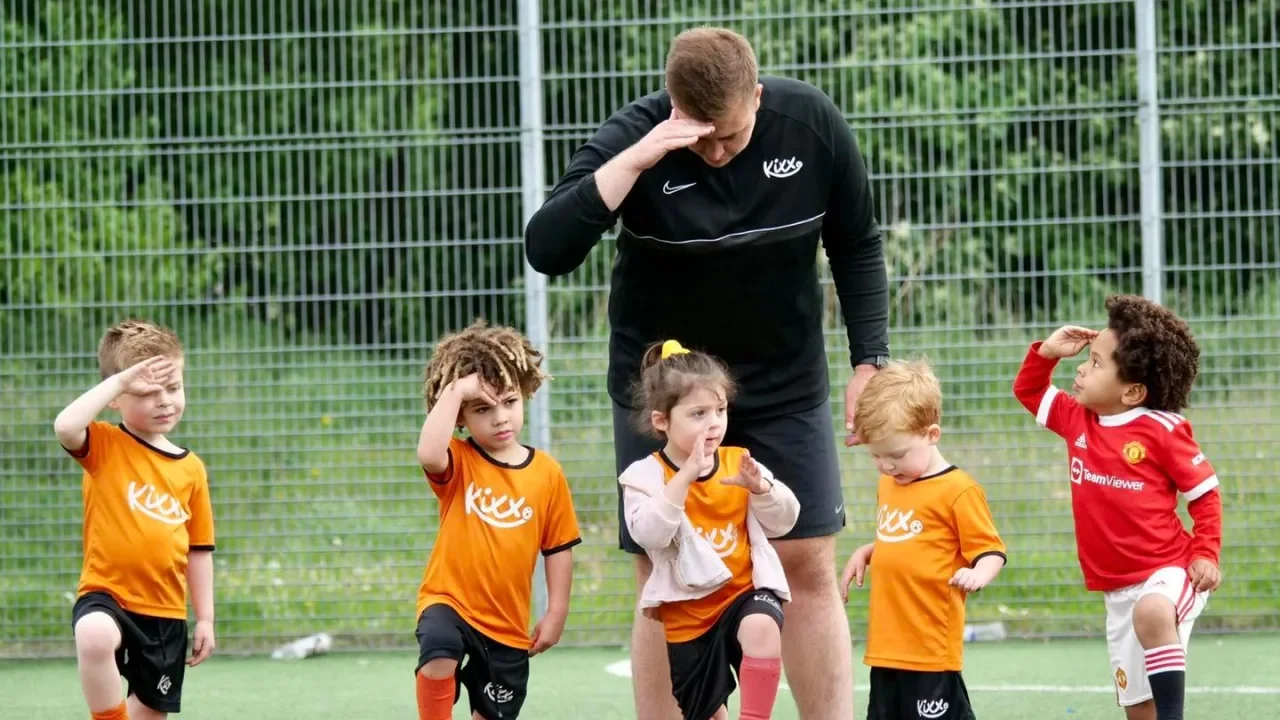
Every club designs its sessions differently, but successful toddler football classes share some common elements that keep young children engaged. Short, varied activities, clear routines and plenty of praise help toddlers feel secure while still being stimulated. At burley fc, coaches follow a carefully planned structure that balances free exploration with gentle guidance so that each child can progress in their own way.
Warm-up and welcome routines
The first few minutes of toddler football classes are devoted to helping children feel settled and ready to move. Coaches greet each toddler by name, use simple visual cues and sometimes play a familiar song to signal the start. Gentle stretching, walking and simple follow-the-leader games warm up little muscles without overwhelming them. This stage is especially important for shy children who need time to adjust to the group setting.
Skill games tailored for tiny feet
After warming up, toddler football classes move into simple skill-based games that introduce the ball in fun, imaginative ways. Instead of strict drills, coaches might ask children to be “pirates” dribbling treasure or “animals” moving around a jungle of cones. These stories capture attention while secretly teaching basic techniques like gentle kicking, stopping the ball with a foot and changing direction.
Cool-down, reflection and rewards
Just as important as the energetic parts of toddler football classes is the calm ending that helps children wind down. Cool-down activities might include gentle walking, stretching or a quiet game where toddlers sit in a circle and pass the ball. These routines teach children how to transition from high excitement to a more relaxed state, a useful skill for everyday life.
Key benefits of toddler football classes for parents and children
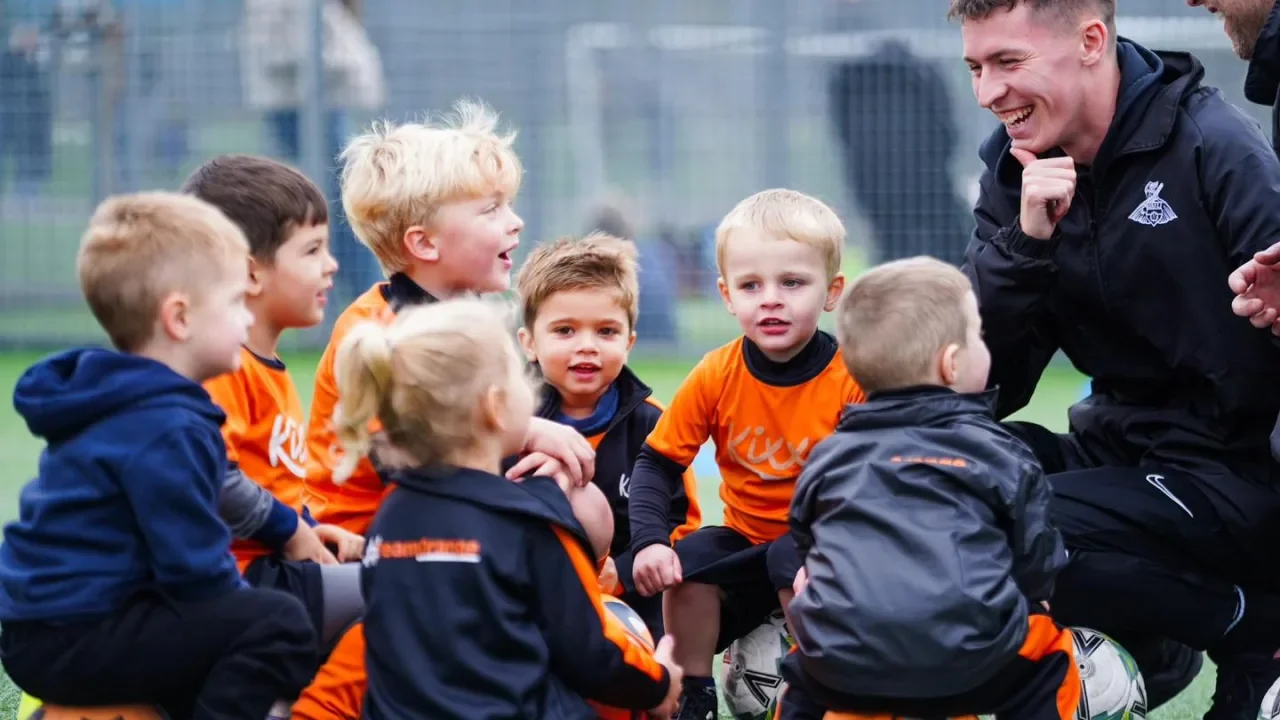
From improved coordination to better sleep, the advantages of toddler football classes extend well beyond the pitch. Parents often sign up for the fun theme and social interaction, then quickly discover a host of additional benefits. Regular attendance can support routines, reduce screen time and provide a healthy outlet for boundless toddler energy. For many families, these sessions become a treasured weekly ritual.
| Benefit Area | How toddler football classes help | What parents typically notice |
|---|---|---|
| Physical development | Games that build balance, coordination, agility and core strength through running, kicking and jumping. | More confident movement, fewer trips and falls, better stamina during playtime and walks. |
| Social skills | Group activities that require turn-taking, sharing equipment and responding to simple instructions. | Improved interaction with peers, greater willingness to join group games and follow rules. |
| Emotional wellbeing | Supportive coaching that normalises mistakes, encourages effort and celebrates small wins. | Increased confidence, better handling of frustration and a more positive attitude to new challenges. |
| Family bonding | Shared experiences where parents cheer, participate and learn games they can repeat at home. | Stronger parent–child connection and more ideas for active play outside of class time. |
| Healthy habits | Regular schedule of fun exercise that feels like play rather than a chore. | Reduced screen time, better sleep patterns and a growing love of being active outdoors. |
Confidence, independence and routine
Many parents enrol in toddler football classes hoping their child will burn off energy, but they soon notice deeper changes in confidence and independence. As toddlers learn to walk onto the pitch, recognise their coach and join activities with less prompting, they gain a sense of ownership over their experience. This growing independence can make transitions to nursery or preschool smoother.
Making new friends and building community
For both children and adults, toddler football classes provide valuable opportunities to make new friends. Toddlers encounter peers of similar age in a relaxed setting where interaction happens naturally through shared games. Over time, they recognise familiar faces, learn names and develop early friendships that may continue into later childhood.
Long-term pathway into youth football
While the main goal of toddler football classes is fun and development, they can also serve as a gentle pathway into more structured football for those who want it. Children who enjoy these early sessions may later move into introductory teams or development squads when they are old enough. Their familiarity with basic skills and pitch etiquette gives them a head start compared to complete beginners.
See more: academy trial dates
Conclusion
Choosing toddler football classes is about much more than early sporting success; it is an investment in your child’s confidence, coordination and love of movement. In a world of screens and sedentary habits, these playful sessions offer a precious opportunity for real-world exploration, laughter and connection. When guided by caring coaches in a safe environment, even the smallest kicks and runs can lead to big developmental strides.