

academy trial dates are the key stepping stone for young footballers who dream of earning a place in a professional development system like burley fc. Understanding how trials work, when they happen, and what coaches look for can make the difference between fading into the crowd and standing out on the pitch. This guide breaks down everything from age groups and timelines to preparation tips, helping parents and players plan with confidence.
Understanding Academy Trial Dates And How They Work
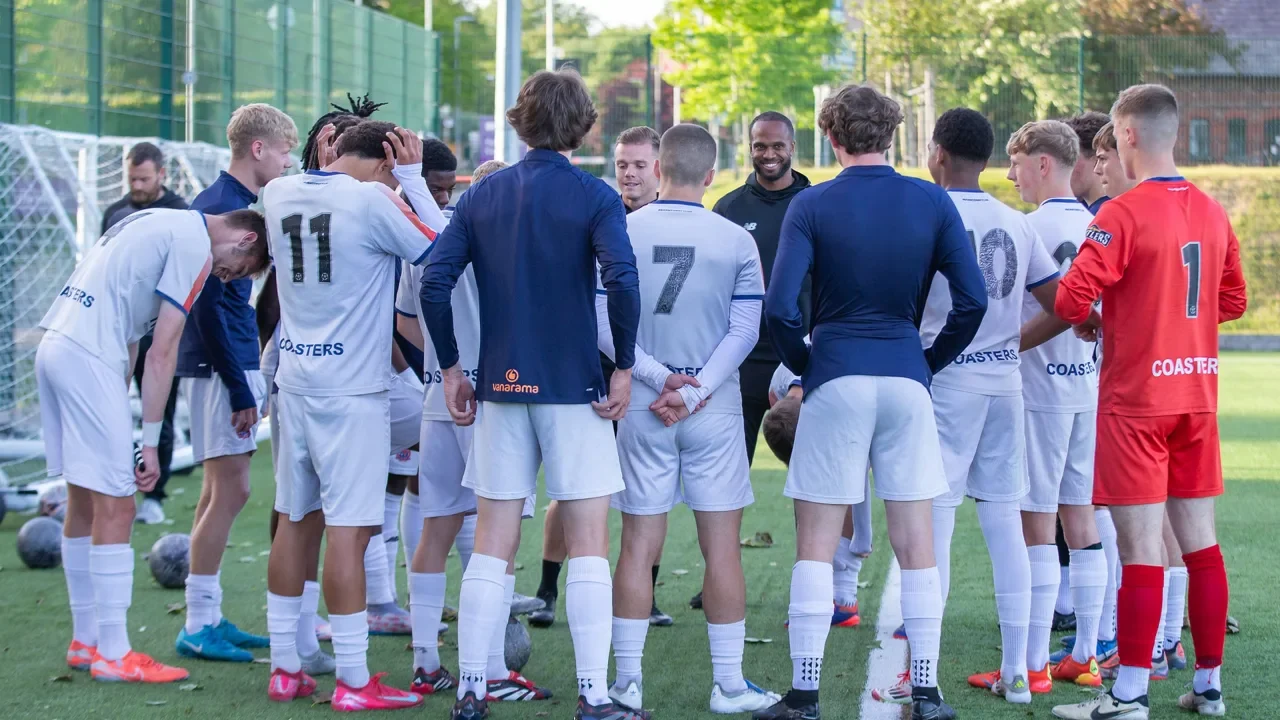
Every season, academy trial dates structure the pathway for youth players who want to move from grassroots football into a higher performance environment. Rather than being random events, they follow a clear calendar aligned with league schedules, school holidays, and scouting windows. When families understand this structure, they can time their applications better and avoid missing crucial opportunities that only come around once or twice a year.
What Football Academies Aim To Achieve With Trials
Professional and semi-professional clubs use academy trial dates to identify players with long-term potential, not just short bursts of form. Trials help coaches assess technical ability, decision-making, physical attributes, and attitude under pressure. Instead of relying only on scouting reports, clubs bring players into a controlled environment where they can compare them directly with existing academy squads. This process ensures that every signing fits the club’s playing philosophy and development pathway.
Seasonal Cycles Behind Academy Trial Planning
Most clubs schedule academy trial dates around the end of the competitive season and during pre-season, when squads are being reshaped. Late spring and early summer are common windows, though mid-season assessments sometimes run during school breaks. By aligning trials with these cycles, coaches can monitor how a player might adapt to training loads, tactical systems, and match tempo. Parents should track club announcements regularly, as some windows close quickly once maximum numbers are reached.
Key Differences Between Open And Invitation-Only Trials
Open academy trial dates allow any eligible player to register, making them accessible but highly competitive. Invitation-only trials, on the other hand, are usually offered after a scout or coach has already seen a player in action. While both formats can lead to academy offers, invitation events tend to have smaller groups and more focused evaluation. Ambitious players should treat open trials as a chance to be spotted for future invite-only sessions, especially at established clubs like burley fc.
Academy Trial Dates By Age Group And Level Of Play

Different age brackets follow different academy trial dates, because the physical and psychological needs of players change as they grow. Younger age groups focus more on game enjoyment and fundamental skills, while older groups are assessed on tactical understanding and readiness for competitive football. Knowing how your age band is evaluated helps you prepare the right way and submit applications at the most promising moment.
Foundation Phase: Ages 8–11 And Early Talent ID
In the foundation phase, academy trial dates are often shorter and more frequent, with extra emphasis on ball mastery and creativity. Coaches look for natural coordination, first touch, and confidence in 1v1 situations rather than fully developed tactics. Parents should avoid overloading children with pressure at this stage; enjoying the game and experimenting with skills usually impresses coaches more than rigid positional play. burley fc and similar clubs often run community sessions that feed into these early trials.
Youth Development Phase: Ages 12–16
For players aged 12–16, academy trial dates are typically more structured, involving fitness tests, tactical drills, and small-sided games. At this level, clubs evaluate how quickly a player learns, adapts, and communicates with teammates. Coaches are interested in positional awareness, pressing triggers, and transition play, not just isolated technical ability. Families should expect more detailed feedback in this phase, as clubs invest heavily in shaping long-term prospects for scholarship or professional contracts.
Professional Development Phase: Ages 17–19
By the professional development phase, academy trial dates are closely aligned with under-18 and under-21 squads. Places are limited and competition is intense, as clubs seek players who can bridge the gap to senior football. Trials may include video analysis, GPS tracking, and sports science assessments to understand a player’s physical ceiling. burley fc, for example, may integrate trialists directly into existing squad sessions to see how they cope with match tempo and tactical demands over several days.
How To Prepare Effectively For Academy Trial Dates

Performing well on academy trial dates requires more than natural talent; it demands structured preparation on and off the pitch. Players who plan their training, recovery, and mental approach in the weeks leading up to a trial often feel more confident and composed. Rather than chasing last-minute fitness, it’s better to build a steady routine that peaks on the day of assessment without causing fatigue or injury.
Technical And Tactical Preparation On The Pitch
In the run-up to academy trial dates, players should sharpen their first touch, passing accuracy, and decision-making under pressure. Position-specific drills, like overlapping runs for full-backs or movement between lines for attacking midfielders, show coaches that you understand your role. Small-sided games help develop scanning, communication, and pressing, all of which are heavily assessed. Training with higher-level teammates or local coaches can simulate the intensity you’ll face at a professional-style trial.
Physical Conditioning, Nutrition, And Recovery
Coaches at academy trial dates expect players to handle repeated high-intensity efforts and quick transitions. Building aerobic endurance, sprint capacity, and agility in the weeks before the trial is essential. Balanced nutrition, hydration, and quality sleep are just as important as ball work, especially for growing teenagers. Clubs like burley fc often note which players maintain energy and concentration throughout the session, as this reflects both physical preparation and lifestyle habits.
Mental Readiness And Handling Pressure
Many talented players underperform at academy trial dates because they struggle with nerves or negative self-talk. Developing mental routines—such as breathing techniques, positive cues, and pre-game checklists—can help maintain focus. Coaches value resilience: how you react to mistakes, bad touches, or losing the ball. Showing you can quickly recover, keep demanding the ball, and support teammates sends a strong message about your character and suitability for a professional environment.
See more: youth team manager
Conclusion
Understanding academy trial dates, preparing with intent, and approaching the process professionally can significantly increase a young player’s chances of earning a place at a respected setup like burleyfc. By focusing on technical quality, game intelligence, and a strong attitude, families can turn the trial experience into a powerful learning opportunity, whether or not an offer arrives immediately.