

For aspiring players, football trials provide an opportunity to demonstrate ability, commitment, and readiness for the next stage of development. Understanding expectations, preparing effectively, and maintaining a positive mindset can make a meaningful difference. Burley FC supports participants through a structured pathway focused on growth and performance.
Preparing for standout opportunities
Strong preparation allows players to arrive ready both physically and mentally. Successful football trials often begin well before assessment day through consistent habits, planning, and focused personal development.
Building daily habits that create confidence
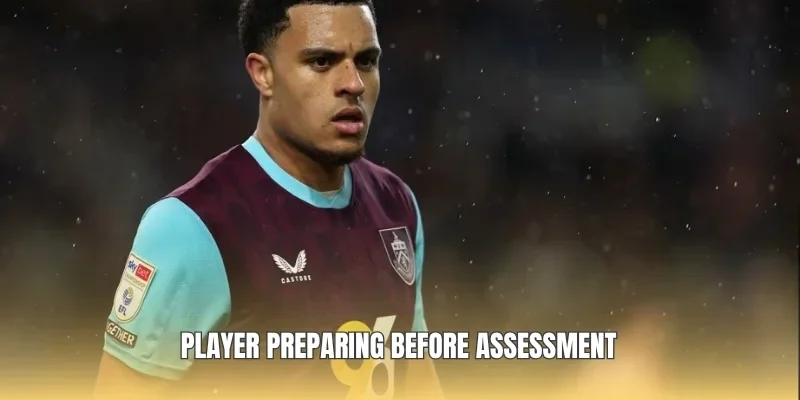
Confidence is usually built through preparation rather than last-minute effort. Players who establish positive daily routines often arrive at assessments feeling more composed and capable of handling challenges.
Useful habits include maintaining fitness, practising technical skills, following healthy recovery routines, and developing strong time management. Small improvements made consistently over several weeks often produce noticeable benefits when trial opportunities arise. Coaches frequently observe that players with reliable habits tend to perform more naturally because preparation has already become part of their routine.
Organizing essential requirements before assessment
Administrative preparation is sometimes overlooked, yet it can contribute significantly to a smooth experience. Arriving organised allows players to focus entirely on performance rather than avoidable distractions.
The table below outlines common preparation essentials:
| Requirement | Purpose |
| Correct kit | Ensures readiness |
| Appropriate footwear | Supports performance |
| Travel arrangements | Prevents delays |
| Hydration plan | Maintains energy |
| Registration details | Avoids complications |
Completing these tasks in advance reduces unnecessary stress and improves overall readiness.
Managing pressure with a focused approach
Feeling nervous before assessments is completely normal. Effective players learn to manage pressure by concentrating on controllable actions rather than worrying about outcomes.
Helpful strategies include:
- Focusing on simple objectives
- Maintaining positive self-talk
- Following established routines
- Staying engaged in each moment
- Responding calmly to mistakes
Players who adopt this approach often recover more quickly from setbacks and demonstrate greater consistency throughout assessment sessions.
Demonstrating strengths on the pitch
Performance during assessments involves much more than isolated moments of technical quality. Coaches typically look for players who contribute positively to the team while adapting effectively to different situations.

Showing awareness in key moments
Game awareness is often one of the most valuable qualities selectors observe during football trials. Players who scan regularly, anticipate situations, and recognise opportunities tend to make better decisions under pressure.
For example, a midfielder who identifies space before receiving possession can influence the tempo of play more effectively than someone relying solely on technical ability. Awareness demonstrates football intelligence and often separates players who understand the game from those focused only on individual actions.
Communicating effectively with teammates
Communication helps teams function efficiently, particularly when players are unfamiliar with one another. Clear instructions, encouragement, and information sharing can improve both individual and collective performance.
Assessors frequently notice players who communicate positively and consistently. Effective communication demonstrates leadership qualities and a willingness to contribute beyond personal performance. It also helps create stronger teamwork, which is especially valuable during short assessment periods where rapid collaboration is required.
Making smart decisions under challenge
Decision-making becomes increasingly important when matches become competitive and space is limited. Coaches often value intelligent choices more highly than risky actions that produce occasional success.
Examples of strong decision-making include:
- Choosing the simple pass when appropriate
- Retaining possession under pressure
- Supporting teammates defensively
- Recognising transition opportunities
- Managing game tempo effectively
These behaviours demonstrate maturity and a strong understanding of match situations. Consistent decision-making often leaves a lasting impression on selectors.
Growth pathways at Burley FC
Selection is only one stage of a player’s journey. Long-term improvement depends on ongoing development, constructive feedback, and a commitment to continuous learning.
Understanding long-term development goals
For Burley FC, player development extends beyond immediate performance outcomes. Successful programmes typically focus on helping individuals improve technical skills, tactical understanding, physical preparation, and personal resilience over time.
Long-term goals provide direction and help players maintain perspective during both successful and challenging periods. Development pathways work most effectively when progress is viewed as a gradual process rather than a single event. Consistent improvement often produces stronger results than short-term achievements alone.
Turning feedback into measurable progress
Constructive feedback is most valuable when translated into specific actions. Players who respond positively to guidance often make faster and more sustainable improvements.
A practical approach involves identifying priority areas, creating measurable objectives, and reviewing progress regularly. For example, a player advised to improve positioning might track defensive awareness during training and matches. Turning observations into clear targets helps ensure feedback contributes directly to development rather than remaining purely theoretical.
Creating momentum beyond selection days
Whether selected or not, football trials should be viewed as learning opportunities that contribute to future growth. The most successful players often use each assessment as a reference point for continued improvement.
For Burley FC, maintaining momentum after evaluations means applying lessons learned, refining strengths, and addressing development areas consistently. Players who remain committed to improvement often discover that progress continues long after selection decisions have been made. Sustained effort, combined with purposeful development, creates opportunities for future success and helps build a stronger foundation for long-term achievement.
Conclusion
Success comes from preparation, resilience, and a willingness to learn from every experience. By developing strong habits and embracing constructive feedback, players can continue moving forward with purpose. Football trials offer valuable opportunities to progress, and Burley FC encourages individuals to make the most of each step in their journey.