

Non league grounds across England are the beating heart of real football culture, and Burley FC is proud to be part of that story. On our official online hub, we connect supporters, volunteers, and club officials who keep the game alive beyond the professional pyramid. This homepage introduces our vision, our facilities, and the resources we offer for better club management. Explore how we celebrate authentic matchday experiences and help local clubs grow sustainably.
Why non league grounds matter to modern football
In an era dominated by elite stadiums, non league grounds still provide the purest form of the game. They offer affordable access, local identity, and a direct link between players and fans that big arenas rarely match. On this platform, Burley FC highlights how these venues shape grassroots development, social cohesion, and long‑term participation in football.
The cultural soul of local football
Every small stand, clubhouse, and turnstile tells a story that goes beyond ninety minutes. Supporters meet friends, families share traditions, and volunteers give time to keep the gates open. These routines create a powerful sense of belonging that anchors communities through good seasons and bad. When we talk about sustainable football, we start with places where people feel they truly belong.
Pathways for players, coaches and referees
Local clubs use their home venues as living classrooms for player and coach development. Young players learn to manage pressure in front of real crowds rather than empty training pitches. Coaches test tactical ideas, while referees gain crucial experience in demanding but supportive environments. This ecosystem feeds talent back into the wider pyramid and keeps standards rising from the bottom up.
Economic and social impact on communities
Matchdays at smaller venues generate revenue for local businesses and create regular volunteering opportunities. Nearby cafés, pubs, and shops benefit from increased footfall before and after games. Clubs also host charity events, school tournaments, and health programmes that extend far beyond league fixtures. The result is a year‑round social hub that strengthens neighbourhood resilience.
How non league grounds shape the Burley FC experience
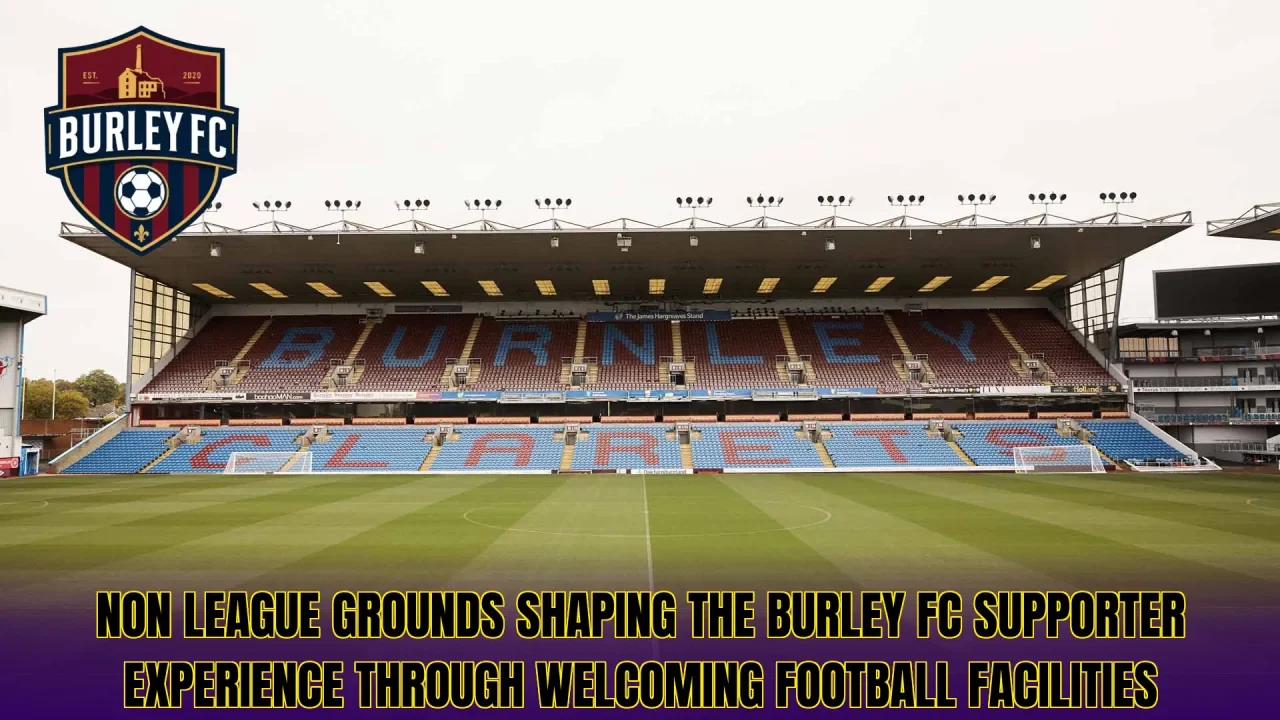
To understand our identity, you must first understand our home environment and matchday culture. The way supporters arrive, gather, and watch football defines how they remember the club. Burley FC uses its ground as a focal point for engagement, learning, and shared memories that last decades.
Matchday atmosphere and supporter connection
Compact stands bring fans close to the pitch, so every tackle and pass feels immediate. You hear the players communicate, you see the manager’s adjustments, and you sense the emotion from both benches. This proximity builds a stronger bond between squad and supporters, especially younger fans attending their first live match. That intimacy is difficult to replicate at larger, more commercial venues.
Facilities that balance tradition and modern needs
Clubs at this level must balance heritage with practical upgrades that meet current regulations. Seating, safe standing, and accessible areas must comply with safety standards while retaining local character. Modern floodlights, digital turnstiles, and cashless kiosks can be integrated without losing the ground’s historic feel. At Burley FC, every improvement is planned to protect atmosphere while supporting long‑term growth.
Community access beyond matchday
Home venues now function as multi‑purpose centres rather than weekend‑only spaces. They host education workshops, walking football sessions, and inclusive programmes for girls and women. Meeting rooms double as training spaces for coaches, volunteers, and young leaders. This continuous activity keeps the club visible and relevant throughout the week, not just on Saturdays.
Planning and upgrading non league grounds for the future
Modern supporters expect safe, comfortable, and inclusive facilities, even at smaller clubs. Strategic planning helps boards prioritise projects that deliver the biggest impact on fan experience and revenue. Burley FC shares guidance and case studies to support sustainable improvement plans that respect each club’s identity.
Key areas of infrastructure investment
When boards review their venue, they typically focus on four pillars: pitch quality, spectator comfort, accessibility, and digital readiness. Improved playing surfaces reduce postponements and protect player welfare across busy seasons. Upgraded seating, toilets, and catering increase dwell time and spend per head. Accessible design ensures that disabled supporters and older fans feel genuinely welcome.
| Upgrade area | Typical investment focus | Impact on club performance |
|---|---|---|
| Pitch and lighting | Drainage, resurfacing, LED floodlights | Fewer postponements, better training quality |
| Spectator facilities | Covered stands, seating, toilets | Higher attendance and improved fan satisfaction |
| Accessibility | Ramps, viewing platforms, signage | Inclusive matchday, compliance with regulations |
| Digital infrastructure | Wi‑Fi, ticketing systems, POS | Faster service and better data insights |
Funding routes and partnership models
Clubs often combine grants, sponsorship, and community fundraising to finance projects. National governing bodies, local councils, and charitable foundations provide targeted facility grants. Corporate partners may support specific stands or community zones in exchange for long‑term branding. Transparent communication with supporters builds trust and encourages small but regular contributions.
Environmental sustainability at local level
Energy‑efficient lighting, water‑saving systems, and recycling schemes cut operating costs over time. Many clubs now explore solar panels, smart meters, and electric vehicle charging points. These initiatives show leadership on climate responsibility and appeal to younger, environmentally aware fans. Practical sustainability starts with small, measurable steps that fit local budgets.
Digital transformation of non league grounds and fan engagement
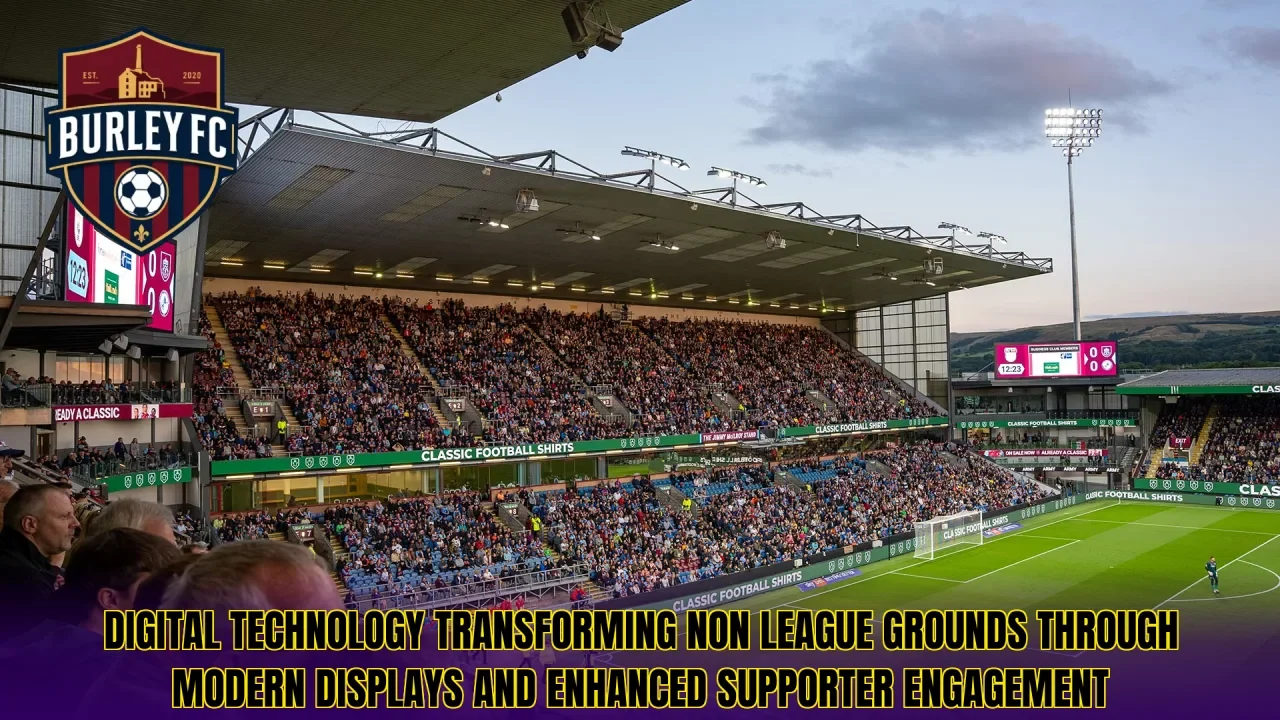
As expectations rise, digital tools help clubs manage operations and communicate more effectively. Online platforms streamline ticketing, membership, and volunteer coordination for busy committees. Burley FC uses this website to share best practice, templates, and technology recommendations tailored to smaller clubs.
Smart ticketing and access control
Even modest venues can benefit from online ticket sales and basic access control systems. Pre‑sales improve cash flow forecasting and reduce congestion at turnstiles. Digital tickets also capture valuable attendance data, which supports sponsorship negotiations and grant applications. Clubs can start small with simple QR codes and scale up as demand grows.
Content, storytelling and live updates
Supporters expect timely news, line‑ups, and post‑match reactions delivered through web and social channels. High‑quality photos, short videos, and behind‑the‑scenes stories bring the ground to life on non‑matchdays. Consistent coverage strengthens loyalty and helps attract new fans who first discover the club online. A clear content plan ensures that limited volunteer time delivers maximum impact.
Data‑driven decision making for club committees
Basic analytics tools allow clubs to track which campaigns drive attendance and revenue. Committees can compare performance by fixture type, kick‑off time, or promotional offer. This evidence supports better scheduling, pricing, and sponsorship proposals. Over time, data‑led decisions help stabilise finances and protect the club’s long‑term future.
Non league grounds as living classrooms for club management
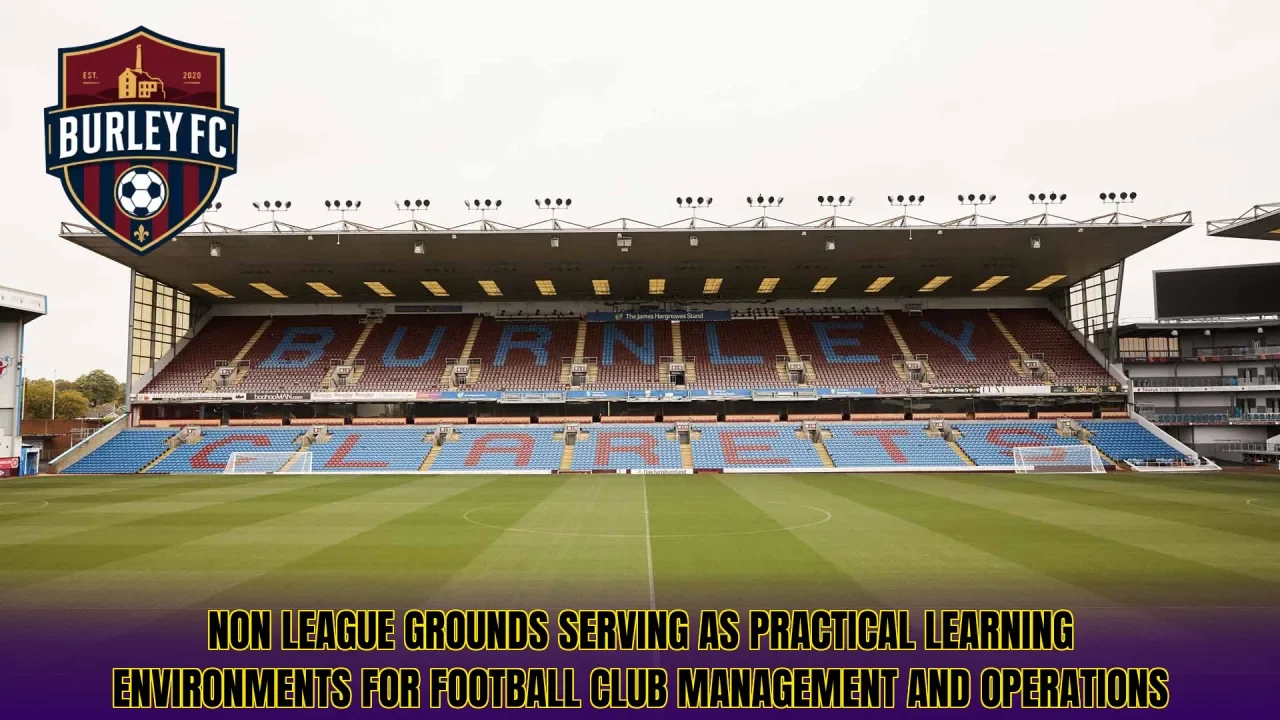
Every matchday is an opportunity to test processes and improve how a club operates. From steward briefings to half‑time catering, small adjustments can transform supporter experience. Burley FC curates resources that help committee members turn lessons from each fixture into lasting improvements.
Volunteer training and operational standards
Clear roles, checklists, and pre‑match briefings keep operations consistent and safe. Clubs can develop simple manuals covering turnstile procedures, emergency routes, and customer care. Regular debriefs after busy fixtures help volunteers share insights and refine workflows. This professional approach builds confidence among visiting supporters and match officials.
Safeguarding and inclusive policies
Grounds must be safe spaces for children, families, and vulnerable adults at all times. Robust safeguarding policies, visible reporting routes, and staff training are essential. Inclusive language, anti‑discrimination messaging, and clear codes of conduct set expectations for behaviour. When policies are lived, not just written, the entire environment becomes more welcoming.
Building partnerships with schools and local groups
Clubs that open their facilities to schools and community groups deepen their local roots. Stadium tours, curriculum‑linked workshops, and coaching sessions turn young visitors into lifelong supporters. Local charities and civic organisations gain a trusted venue for their own events. These relationships create a network of advocates who value the ground as shared community space.
Conclusion
The future of English football depends on how well we protect and enhance non league grounds. By combining smart investment, digital innovation, and strong community values, clubs can keep their venues vibrant for generations. This website is designed to support that mission and share practical knowledge across the grassroots game. Stay connected with Burley FC to help your local club thrive on and off the pitch.