

Charity football match events are at the heart of how Burley FC connects football with meaningful community impact. As the official digital hub for the club, this homepage introduces how we organise, promote and manage community fixtures that raise funds and awareness. You will find practical resources, governance guidance and tools to help volunteers and club leaders run events that are safe, transparent and inspiring. Explore how structured planning turns passion for the game into real local change.
How A Charity Football Match Powers Real Community Impact
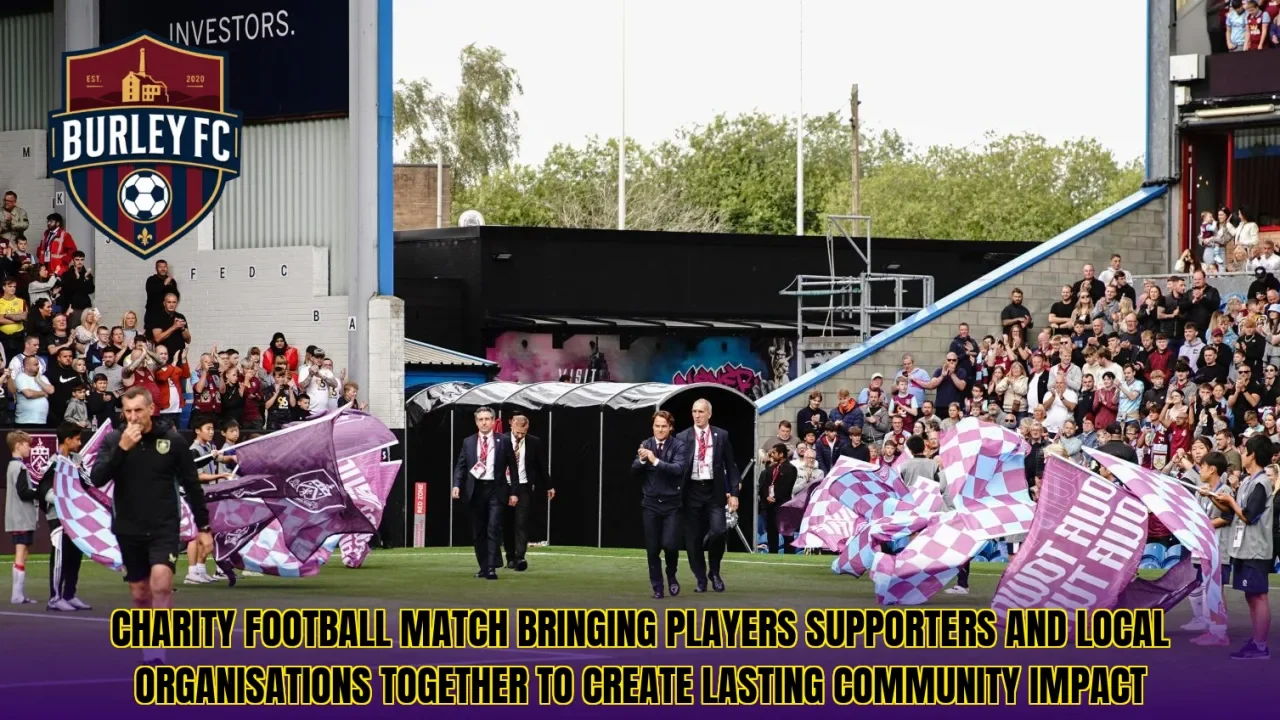
A well‑organised charity football match does far more than entertain fans for ninety minutes. It can fund local health projects, youth education or grassroots facilities that benefit the area for years. At the same time, it strengthens relationships between players, volunteers, sponsors and supporters. This section explains the social value framework we apply at Burley FC to make every event accountable and measurable.
Defining clear goals and impact metrics
Before confirming a fixture date, we work with organisers to agree the primary purpose of the charity football match. Objectives can include fundraising targets, volunteer recruitment or awareness for a local cause. Each goal is paired with measurable indicators, such as donation totals, new sign‑ups or social media reach. By setting these benchmarks early, community leaders can report outcomes clearly to donors and participants.
Building partnerships with local organisations
A successful charity football match relies on strong partnerships with schools, charities, councils and business sponsors. Burley FC provides templates for memorandums of understanding, safeguarding agreements and sponsorship packs. These documents help both sides understand expectations on branding, ticket allocation and data protection. When roles are defined in writing, collaboration becomes smoother and more sustainable over multiple seasons.
Engaging fans, families and young players
Community engagement is central to every charity football match hosted through our network. We encourage clubs to design inclusive matchday activities such as junior skills zones, family seating areas and accessible viewing points. Communication should highlight how every ticket, shirt sale or raffle entry directly supports a chosen cause. By connecting donations with visible outcomes, organisers build long‑term trust and repeat attendance.
Planning A Charity Football Match With Professional Standards
Turning a good idea into a safe, compliant and enjoyable charity football match requires structured planning. Organisers must manage venue logistics, risk assessments, financial control and communication timelines. On this homepage, Burley FC outlines the core planning phases that any club or community group can adapt. The goal is to reduce uncertainty so volunteers can focus on delivering a memorable event.

Key stages in the planning timeline
We recommend breaking the charity football match project into clear phases: concept, feasibility, preparation and delivery. The concept phase defines the cause, format and target audience. Feasibility assesses pitch availability, volunteer capacity and projected income. Preparation covers bookings, permits and procurement, while delivery focuses on matchday operations. A post‑event review closes the loop and informs future improvements.
Match operations, safety and safeguarding
Operational planning ensures that a charity football match runs smoothly from turnstile to final whistle. Stewards, first‑aid teams and safeguarding officers must be briefed with up‑to‑date procedures aligned with FA and local authority guidance. Burley FC provides checklists for emergency routes, crowd flows and changing‑room access. These tools help protect players, officials and spectators while maintaining a welcoming atmosphere for families.
Volunteer coordination and training
Volunteers are often the backbone of a charity football match, covering roles from ticketing to hospitality. Clear role descriptions, rota systems and pre‑event training sessions are essential to avoid confusion on the day. Our resource centre includes sample induction packs and code‑of‑conduct templates. When volunteers feel supported and informed, they deliver higher standards of service and are more likely to return for future fixtures.
| Planning area | Recommended lead time | Key responsibilities |
|---|---|---|
| Cause selection and partners | 10–12 weeks before match | Confirm charity, agree objectives, sign partnership documents |
| Venue and fixtures | 8–10 weeks before match | Book pitch, officials, security and medical cover |
| Marketing and ticketing | 6–8 weeks before match | Launch campaign, set prices, configure online sales |
| Volunteer recruitment | 4–6 weeks before match | Assign roles, run training, confirm matchday schedules |
| Post‑event reporting | 1–2 weeks after match | Publish results, thank supporters, share impact summary |
Digital tools to manage your next charity football match
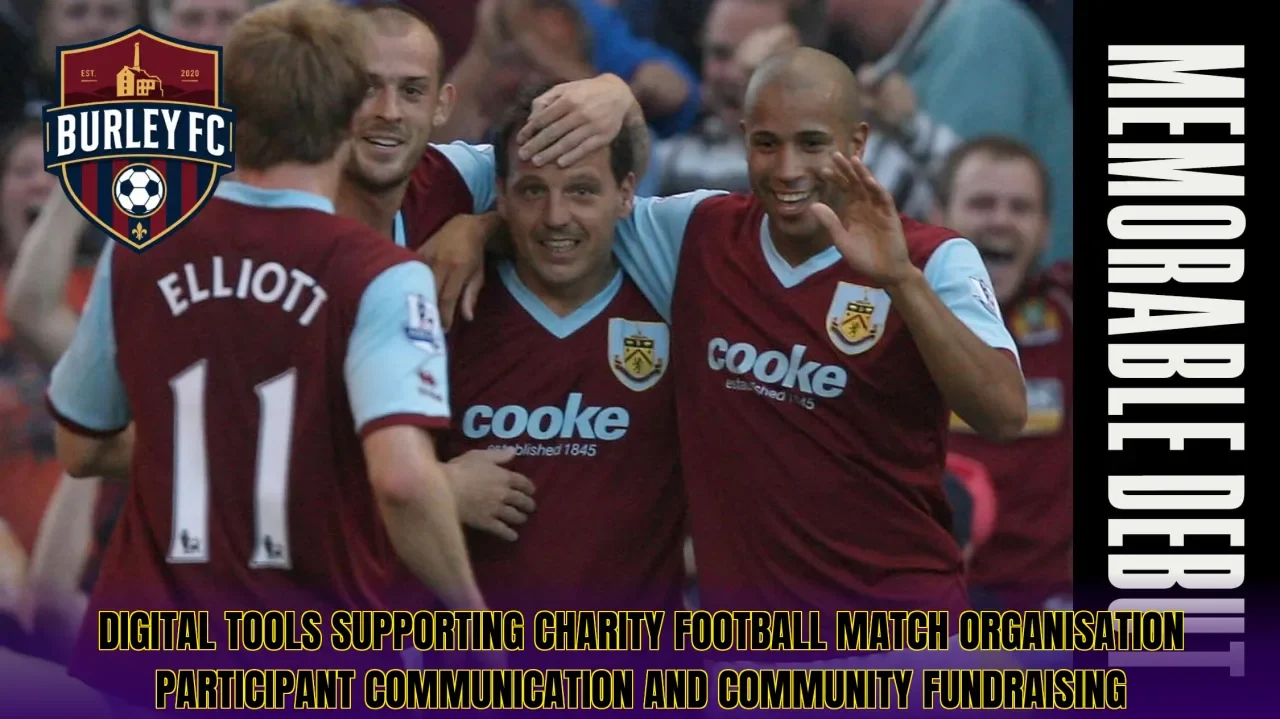
Modern supporters expect fast information and simple ways to donate around any charity football match. That is why we invest in digital systems that streamline administration for clubs and community partners. Through the online hub, organisers can coordinate communication, capture data securely and present transparent financial reports. This section highlights the core tools available to registered members of Burley FC.
Centralised event pages and ticketing
Each charity football match can have a dedicated event page with fixtures, kick‑off time, pricing and beneficiary details. Integrated ticketing allows supporters to book seats or standing areas in a few clicks. Dynamic capacity controls help clubs avoid overselling and comply with safety limits. Clear confirmation emails and mobile‑friendly tickets reduce queues and printing costs on the day.
Online donations and sponsorship visibility
Many fans want to contribute to a charity football match even if they cannot attend in person. Our platform supports secure online donations linked directly to the chosen charity account. Sponsors can be featured with agreed branding placements, from digital boards to programme adverts. Burley FC tracks campaign performance so partners can see how their support translates into reach and revenue.
Data, reporting and long‑term insights
After the final whistle, organisers need accurate data to evaluate the charity football match. Attendance figures, revenue breakdowns and demographic insights all inform future planning. Our reporting dashboards summarise key metrics while respecting privacy regulations. By comparing results across multiple seasons, clubs can refine pricing, schedules and marketing messages for maximum community benefit.
Conclusion
Every charity football match is an opportunity to unite supporters, celebrate the game and deliver measurable impact for local causes. With structured planning, digital tools and clear governance, community leaders can run fixtures that feel professional as well as welcoming. As the online home of the club, Burley FC is committed to helping members design, manage and review events with confidence. Explore our resources, adapt them to your context and start shaping the next chapter of your community football story.