
Football club partnerships are at the heart of how Burley FC connects the game with the local community, businesses, and future generations of players. On our official online hub, we focus on building structured, long‑term collaborations that strengthen every aspect of club management. From grassroots development to commercial strategy, we turn relationships into real value for members, supporters, and stakeholders.
Why football club partnerships matter in the modern game

In today’s data‑driven football landscape, football club partnerships are no longer just shirt logos or one‑off sponsorships. They form a strategic ecosystem that supports performance, governance, and fan engagement. At Burley FC, partnerships are designed to be measurable, transparent, and aligned with our long‑term vision, not short‑term hype.
The shift from sponsorships to integrated alliances
Clubs worldwide are moving from basic sponsorships to integrated alliances that share data, expertise, and technology. Instead of a simple cash‑for‑branding model, partners now co‑create training programs, digital content, and community projects. This approach helps clubs build resilience, diversify revenue streams, and reduce reliance on match‑day income alone.
Aligning values and objectives with every partner
Effective alliances start with clear alignment on values such as integrity, inclusivity, and youth development. Before signing any agreement, leading clubs assess how a partner’s culture and ESG commitments fit the club’s identity. This alignment reduces reputational risk and makes it easier to design joint initiatives that feel authentic to supporters and local residents.
Community impact as a core performance indicator
Modern supporters expect clubs to prove real social impact, not just talk about it. That is why many organisations now track community KPIs alongside financial metrics. These can include hours of coaching delivered, number of girls and boys engaged, or scholarships funded. When partnerships are built around these outcomes, they create loyalty that money alone cannot buy.
Building football club partnerships that strengthen club operations
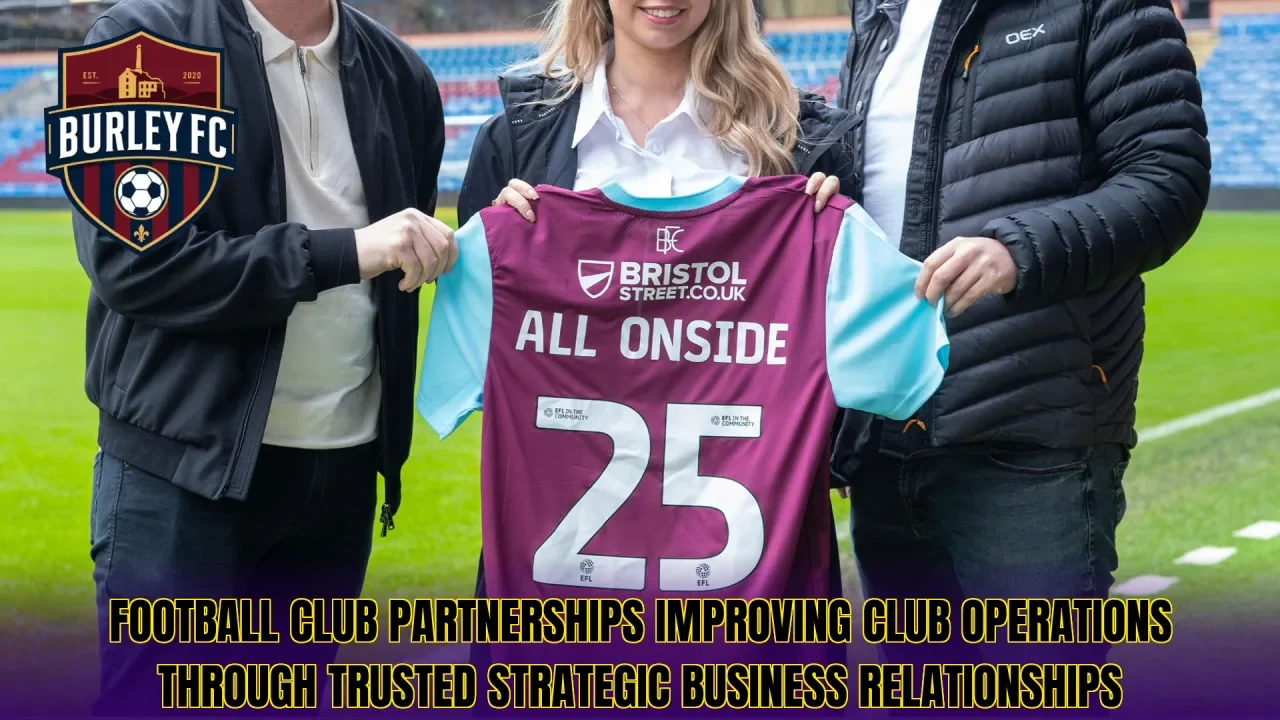
Well‑structured football club partnerships can improve almost every operational area, from coaching to compliance. Burley FC uses a structured framework to evaluate potential collaborators and define how each relationship supports club management. This ensures that every agreement contributes to stability, not distraction.
Technical and performance development partners
Technical alliances often include sports science providers, analytics platforms, and coaching education bodies. These partners help clubs implement evidence‑based training loads, injury‑prevention protocols, and match analysis workflows. As a result, coaches gain better insights, players receive tailored development plans, and the club can benchmark performance against clear, objective standards.
Governance, legal, and compliance support
Regulatory demands on clubs are increasing, from safeguarding to data protection and financial reporting. Governance partners, including legal firms and compliance advisors, help clubs design policies, risk registers, and audit processes. This support protects members, ensures transparency, and reassures sponsors that the club is managed to professional standards.
Digital infrastructure and data management alliances
Clubs now rely on CRM systems, ticketing platforms, and secure data storage to operate efficiently. Technology partnerships provide the tools to manage member databases, online payments, and communication channels in one integrated environment. With the right digital stack, staff save time on admin, reduce errors, and deliver a smoother experience to fans and participants.
| Partnership type | Primary objective | Key performance indicators (KPIs) |
|---|---|---|
| Technical & performance | Improve player and team development | Injury rate, training attendance, progression to higher levels |
| Governance & compliance | Strengthen risk management and transparency | Audit results, policy adoption, incident response time |
| Digital & data | Streamline operations and communications | System uptime, data accuracy, engagement rates |
| Commercial & brand | Generate sustainable revenue | Sponsorship value, renewal rate, ROI for partners |
| Community & education | Deliver social impact and inclusion | Participants reached, diversity metrics, satisfaction scores |
Designing football club partnerships that engage fans and the community
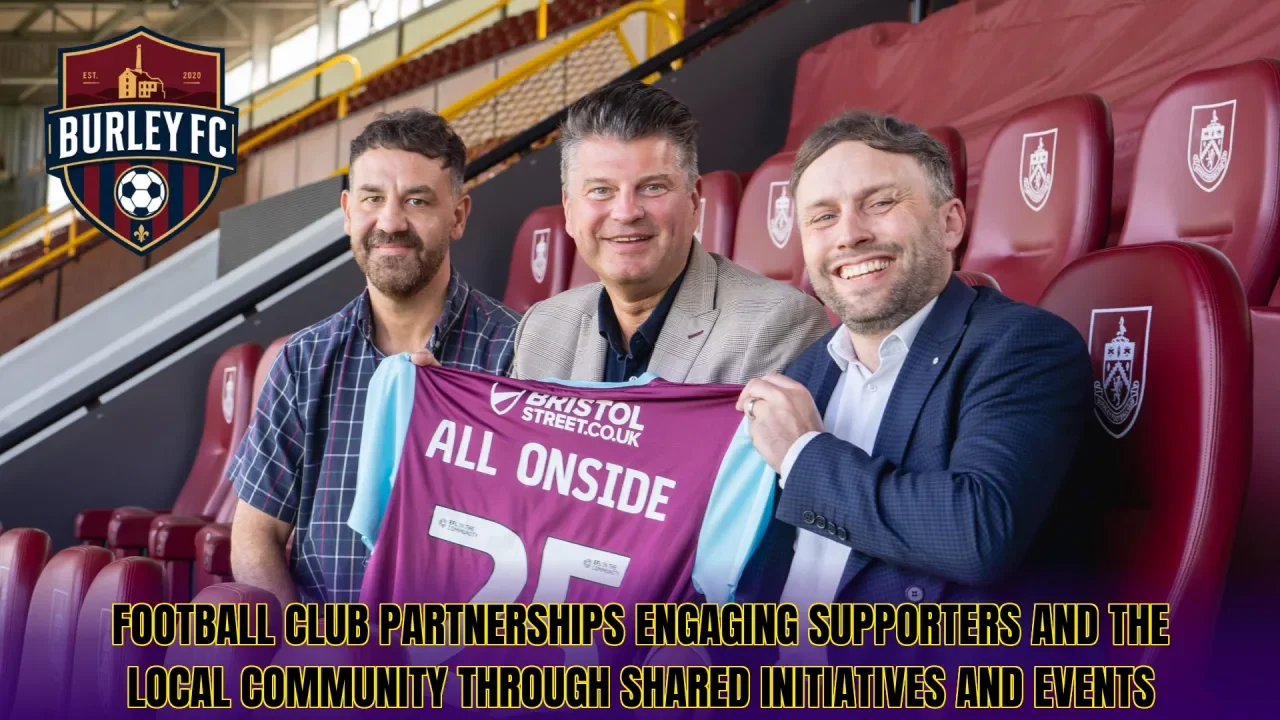
Community‑centric football club partnerships help clubs become trusted local institutions rather than just teams that play at the weekend. Burley FC focuses on initiatives that bring supporters, schools, and local groups into the heart of the club. This approach deepens loyalty and creates new pathways for participation.
School, college, and academy collaborations
Educational partnerships provide structured pathways from school pitches to organised club football. Joint programs can include coaching clinics, curriculum‑aligned PE modules, and talent identification events. When properly managed, these collaborations raise standards of physical education while giving young players clear, safe routes into competitive environments.
Local business and civic partnerships
Businesses and civic organisations are vital allies in delivering social projects and events. They can support facility upgrades, tournament sponsorships, or health and wellbeing campaigns. In return, they gain brand visibility, networking opportunities, and a direct connection with local families who value companies that invest back into the community.
Inclusive programs with charities and NGOs
Partnerships with charities and NGOs enable clubs to reach under‑represented groups, including people with disabilities, refugees, and low‑income families. These programs often blend football with mentoring, language support, or employability training. By measuring outcomes, clubs can demonstrate clear social return on investment to current and future partners.
Maximising commercial value from football club partnerships

Well‑planned football club partnerships also underpin sustainable commercial growth when they respect fans and protect the club’s identity. On the Burley FC platform, we emphasise transparent reporting so partners understand the real impact of their investment. This clarity encourages renewals and long‑term collaboration.
Creating partner packages with clear tiers
Many clubs use tiered partner structures, such as principal, official, and community partner levels. Each tier includes defined rights, from front‑of‑shirt branding to digital content placement and event access. Clear differentiation prevents overlap, protects exclusivity, and makes it easier for organisations of different sizes to find a suitable entry point.
Leveraging data and digital channels for sponsors
Digital platforms allow clubs to offer targeted exposure rather than generic branding. Through segmented newsletters, social campaigns, and streaming content, sponsors reach specific demographics with measurable results. Data on impressions, clicks, and conversions helps refine campaigns and gives partners confidence in the value they receive.
Ensuring ethical and sustainable revenue streams
Clubs must balance commercial ambition with ethical standards and supporter trust. This means screening potential partners for compliance, reputation, and alignment with safeguarding policies. By prioritising responsible industries and transparent contracts, clubs protect their long‑term brand while still unlocking new revenue opportunities.
How Burley FC supports smarter football club partnerships
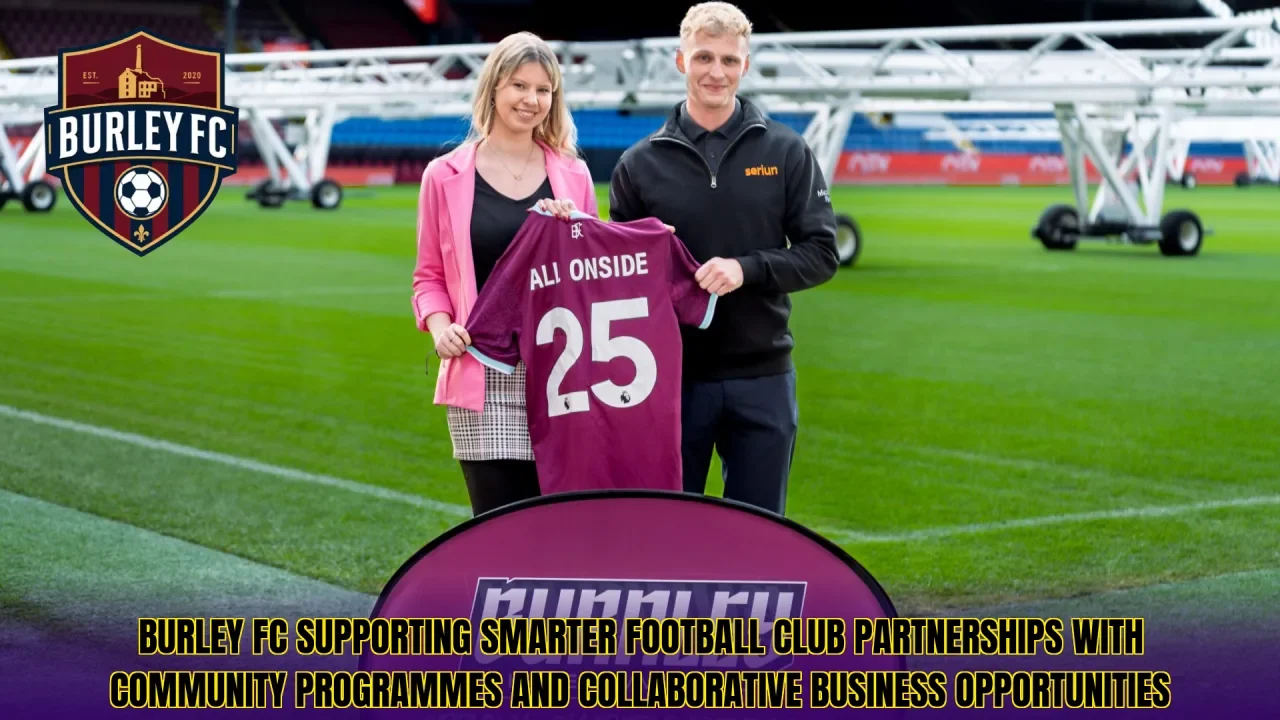
Our online hub is designed to help administrators plan, manage, and review football club partnerships with professional‑level tools. Burley FC provides templates, governance checklists, and best‑practice guides based on up‑to‑date industry research. Clubs can adapt these resources to their own context while maintaining high operational standards.
Centralised knowledge and management resources
Through our platform, committees can access model agreements, risk assessment frameworks, and activation plans. This reduces duplication of effort and ensures that every new partnership starts from a robust, legally sound foundation. It also makes leadership transitions smoother, because documentation is stored and accessible in one secure place.
Data‑informed decision making for club leaders
We encourage clubs to track performance indicators for each collaboration, from financial returns to community impact. Dashboards and reporting templates help committees review which initiatives deliver the most value. Over time, this evidence base supports better negotiations and more strategic allocation of limited volunteer time.
Connecting clubs with potential partners
Beyond guidance, our network helps clubs showcase their projects and reach aligned organisations. Profiles, case studies, and success stories make it easier for potential collaborators to see where they can add value. This ecosystem approach reduces the friction of finding trustworthy allies and accelerates the formation of high‑quality alliances.
Conclusion
When designed with clear goals, governance, and community impact in mind, football club partnerships can transform how clubs operate on and off the pitch. By using the tools and insights available through Burley FC, leaders can move beyond ad‑hoc sponsorships and build resilient, data‑driven collaborations. This strategic approach protects club identity, supports local communities, and creates a sustainable future for every level of the game.